Song Meaning
The lyrics of "Birth" present a stark, almost clinical, yet viscerally charged account of conception and birth. The opening verse immediately thrusts the listener into the biological mechanics of reproduction, describing the journey of semen with unflinching, visceral imagery. This detached, scientific tone is established early, framing the entire process as a physical traversal rather than an emotional event.
The central tension arises from the narrator's dual perspective: the biological imperative of creation versus a dawning, perhaps unwelcome, awareness. The narrator acknowledges being "just the half that I had" before a "better half" is met, suggesting a nascent selfhood emerging from a biological fusion. This is further complicated by the idea of a "seed was hired" and a "cavern of fluid" giving shape, hinting at a planned or facilitated conception, a departure from purely naturalistic imagery.
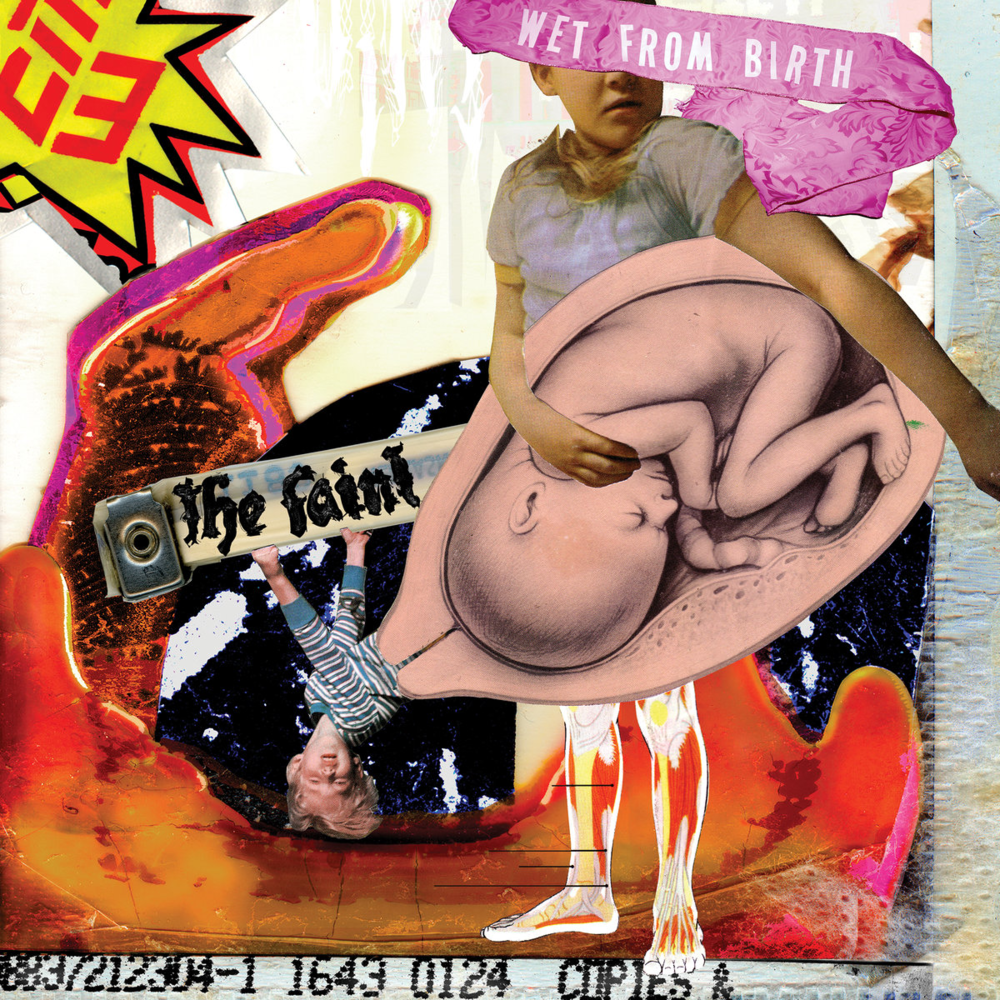
The most striking craft element is the jarring juxtaposition of biological processes with mundane or even industrial language. Phrases like "tourists and traffic" and "paced myself" during the initial journey, or "a seed was hired," create a disorienting effect. This contrast peaks in the final verse and outro, where the raw, painful reality of birth is described with clinical detachment ("scalpel and mask") and then abruptly shifts to a sensory, almost surreal image: "Wet like a cherry / In a bloodbath of birth." This final image is particularly potent, blending the sweetness of a cherry with the brutal reality of the event.
Ultimately, the lyrics are effective because they refuse sentimentality, forcing the listener to confront the raw, often uncomfortable, physical reality of creation. The narrator's final lament, "I should have noticed the beauty / And not how it hurt," encapsulates the core emotional impact. It suggests a profound disconnect between the biological act and the lived experience, a realization that dawns only in the face of pain and the stark aftermath, leaving the listener to ponder the complex nature of existence and its often-violent genesis.
 View Artist