Song Meaning
The narrator confesses to a profound regret over a past decision involving another person. The opening lines immediately establish a sense of responsibility and a desire to undo actions, stating, "I took the chance with you / And made you what you are." This suggests a significant, perhaps life-altering, influence on the other individual, an influence the narrator now wishes they could reverse. The core sentiment is a plea of unintentional consequence: "I didn't mean to go this far."
The central tension arises from the narrator's admission of causing unhappiness while simultaneously denying malicious intent. They confess, "I can find no happiness," implying their own suffering stemming from the situation they created. The phrase "I didn't mean to lead you on" is particularly striking, juxtaposed with the admission of wearing "a lover's mask." This suggests a performance or a deception, however unintentional, that has led the other person to invest emotionally in a relationship that the narrator never intended to be real or lasting.
The most potent aspect of the writing is the stark contrast between the narrator's actions and their stated intentions. The repeated line, "I didn't mean to go this far," acts as a refrain of self-exoneration, yet it’s undermined by the concrete consequence: "you're counting on the heart you'll never own." This highlights a profound disconnect between the narrator's perceived lack of intent and the very real, painful outcome for the other person, who is left with unfulfilled expectations and a broken emotional investment.
Ultimately, these lyrics resonate because they capture the agonizing realization of having irrevocably altered someone else's life through choices that were perhaps made carelessly or without full foresight. The narrator’s regret is palpable, not just for their own unhappiness, but for the specific, devastating impact on the other person, who is left holding onto a future that the narrator admits they can never truly provide.
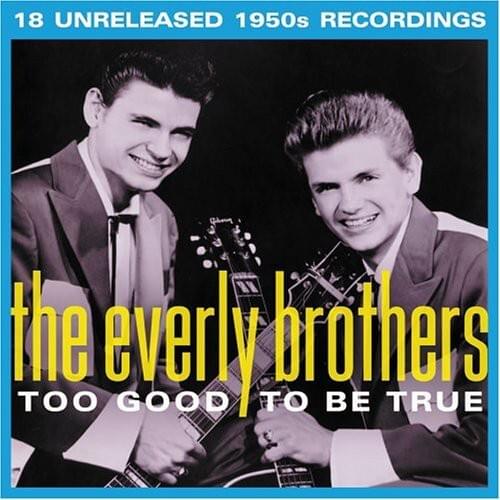
 View Artist