Song Meaning
The lyrics for "Hi-Lili, Hi-Lo" immediately establish a somber thesis: "A song of love is a sad song." It's a direct, almost blunt declaration, suggesting a deep, personal understanding of love's inherent sorrow. The speaker seems to be reflecting on past experiences, hinting at a bittersweet truth.
The core tension here lies in the speaker's resigned acceptance of love's painful nature. They state, "Don't ask me how I know," before confirming, "For I have loved and it's so." This isn't a question of *if* love brings sadness, but a statement of fact, born from personal experience. The lyrics suggest a weary wisdom, where the joy of love is inextricably linked to its inevitable heartache.
Perhaps the most striking element is the recurring, almost childlike refrain, "Hi-lili, hi-lili, hi-lo." This seemingly whimsical phrase creates a stark, unsettling contrast with the heavy emotional weight of the verses. It acts like a detached, almost mechanical counterpoint to the speaker's profound sadness, perhaps suggesting a coping mechanism or a way to compartmentalize the pain, or even the simple, repetitive nature of life's emotional cycles.
The effectiveness of these lyrics lies in their quiet, almost fatalistic acceptance. Sitting "at the window and watch the rain" paints a classic picture of introspection, yet the final line delivers a gut punch: "Tomorrow I'll probably love again." This isn't hopeful anticipation; it's a weary acknowledgment of an unavoidable cycle, suggesting that despite the pain, the human heart is destined to repeat its patterns, making the "sad song" a perpetual melody.
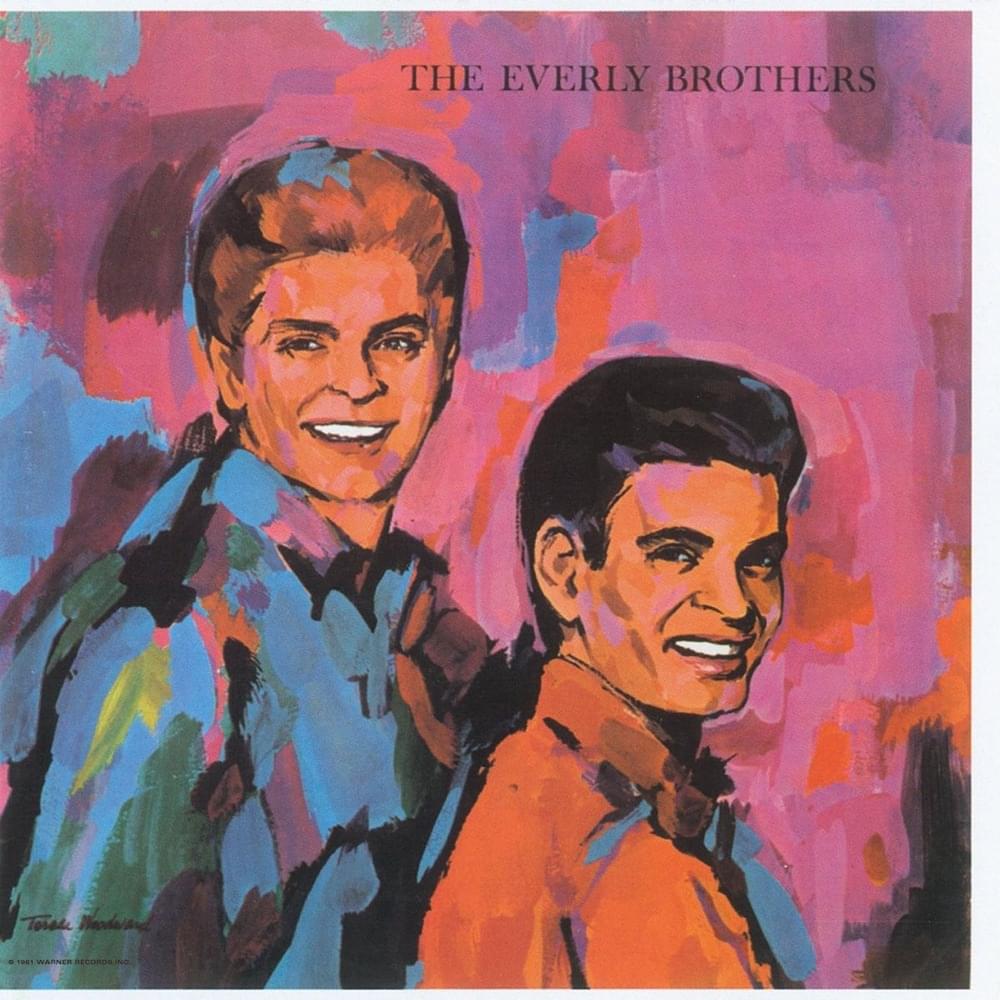
 View Artist