Song Meaning
The lyrics immediately establish a stark origin story: "born in the ghetto," "grew up in the ghetto." This sets a tone of hardship and potentially limited exposure to traditional narratives. Yet, the narrator then juxtaposes this with fantastical nursery rhyme imagery, "cow jump over the moon" and "dish ran away with the spoon." This creates an immediate, almost jarring, contrast between a harsh reality and whimsical, perhaps imposed or inherited, cultural touchstones that feel disconnected from that reality.
The central tension revolves around a profound question of identity and belonging, repeatedly voiced as "Where is I culture?" This isn't just a rhetorical question; it's a desperate search for roots and a sense of place. The narrator contrasts their own heritage with that of others: "The Chinee-man him come from China," "The Indian belong to India," "The white man come from Europe." This highlights a perceived lack of a defined, external origin for their own identity.
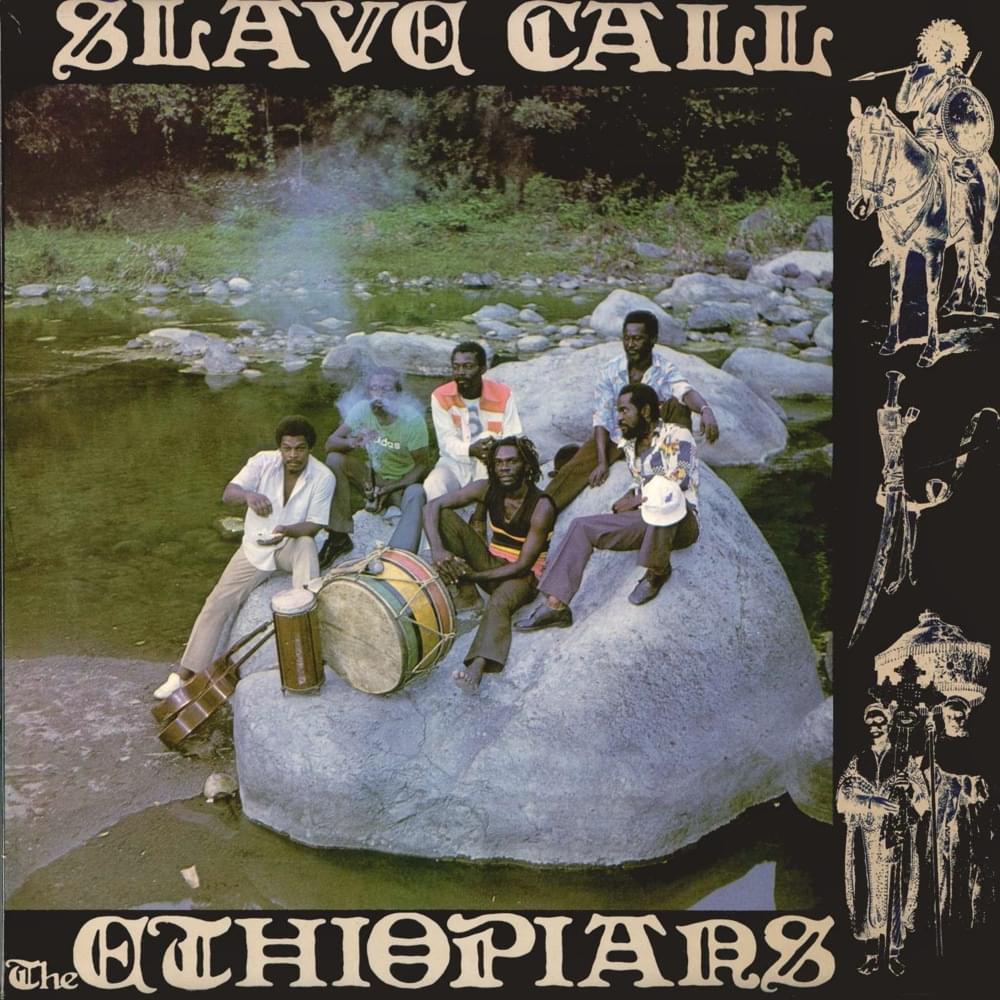
The most striking element is the powerful assertion of "Iya Ethiopian blood." This declaration, appearing after the questioning and the comparisons, acts as both an answer and a defiant claim. It grounds the narrator's identity in a specific, ancient lineage, directly countering the earlier sense of rootlessness. The repetition of this phrase, especially when paired with the persistent question, suggests a struggle to reconcile this internal truth with the external search and the perceived lack of a clear cultural origin story.
This lyrical construction is effective because it mirrors a common experience of seeking identity within a complex, often fragmented, social landscape. The raw, direct language, particularly the repeated question and the emphatic declaration of heritage, makes the emotional weight of this search palpable. The lyrics don't offer easy answers but instead powerfully articulate the internal conflict and the eventual grounding in a deep ancestral connection.
 View Artist