Song Meaning
The lyrics paint a stark picture of betrayal and loss, personifying a "river" that has abandoned the narrator and their companion. The opening lines immediately establish a sense of disbelief and accusation: "How could you let us run dry?" This isn't just about a lack of water; it's about the depletion of something vital, a shared "heaven" that has been drained away. The tone is one of profound disappointment, questioning how a source of life and sustenance could simply cease to be.
The central tension revolves around a sudden, disorienting shift from abundance to scarcity. The narrator asks, "And when did the somersault turn?" suggesting a dramatic, unexpected reversal of fortune that has "throw[n] us over." This isn't a gradual decline but a sharp, almost acrobatic flip that leaves them vulnerable and watching their "future unwind." The "sorry river" is no longer a life-giving force but a "sorry trickle," a poignant image of diminished potential and broken promises.
A particularly striking element is the narrator's self-deception: "I fooled you just to trick myself." This reveals a complex internal dynamic where the narrator was complicit in their own downfall, perhaps by ignoring warning signs or clinging to a false hope. The idea of the river "flowing somewhere else" underscores the finality of the abandonment, suggesting that what was once theirs has been irrevocably taken and redirected. The phrase "leave your guilt at the Chinese laundry" offers a sharp, almost dismissive image of shedding responsibility, further emphasizing the perceived callousness of the one who left.
Ultimately, these lyrics resonate because they capture the raw emotion of being left behind by something essential, whether it's a relationship, an opportunity, or a state of being. The contrast between the initial "heaven" and the final "sorry trickle," coupled with the narrator's admission of self-deception, creates a powerful narrative of disillusionment. The imagery of a "cinema story" fading away suggests a quiet, resigned acceptance of the end, a finality that is both sad and strangely liberating as they "go our own way."
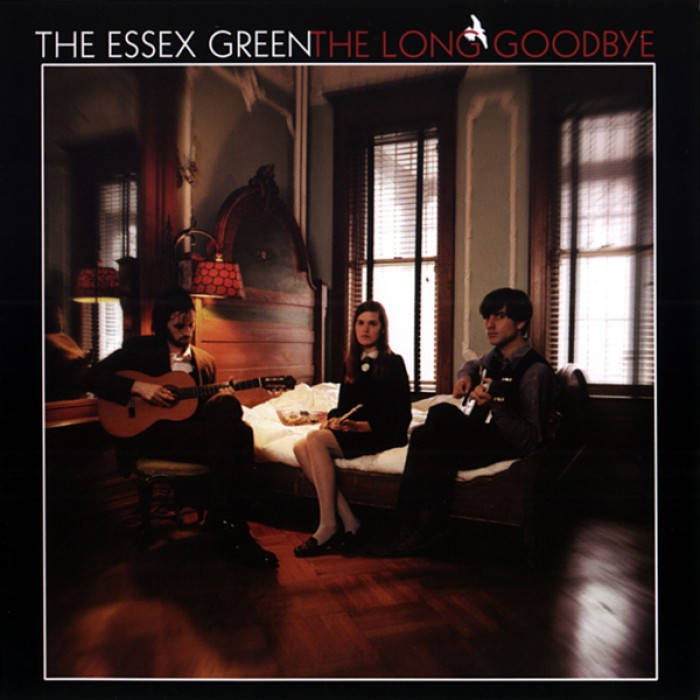
 View Artist