Song Meaning
The narrator is caught in a desperate flight, a frantic escape from a self-made mess. Driving through an unfamiliar town, the disorientation is palpable, with the "streets and the sun" making their head spin. There's a constant vigilance, "one eye in the mirror," suggesting a pursuit or a need to evade something left behind. This isn't a leisurely drive; it's a high-speed flight, "foot on the floor," a physical manifestation of an overwhelming urge to get away.
The core tension lies in the narrator's isolation and exhaustion. They feel like they've been running "for a week," losing their sense of self, barely able to recall their own name. The heat is unbearable, both literally and metaphorically, as they are "running alone" from the consequences of their actions. This isn't a chosen adventure, but a flight from a "mess" they themselves created, amplifying the sense of internal conflict and regret.
The lyrics masterfully use the motif of distance and time to convey the emotional weight of the situation. The chorus, "So far away / On the longest day," isn't just about physical miles; it speaks to a profound emotional chasm and the agonizing slowness of time when trapped in distress. The phrase "longest day" suggests an unending present, a peak of suffering that feels like it will never end, emphasizing the narrator's current state of profound unhappiness.
What makes these lyrics resonate is the raw portrayal of a breakdown and the desperate search for solace. The narrator is not only physically adrift, sleeping in their car and drinking alone, but also emotionally adrift, their dreams seemingly "die by the side of the road." The imagery of a "dead end street" perfectly encapsulates the feeling of being trapped with no clear way out, making the plea for a "friend at the end" a poignant cry for connection in the face of utter desolation.
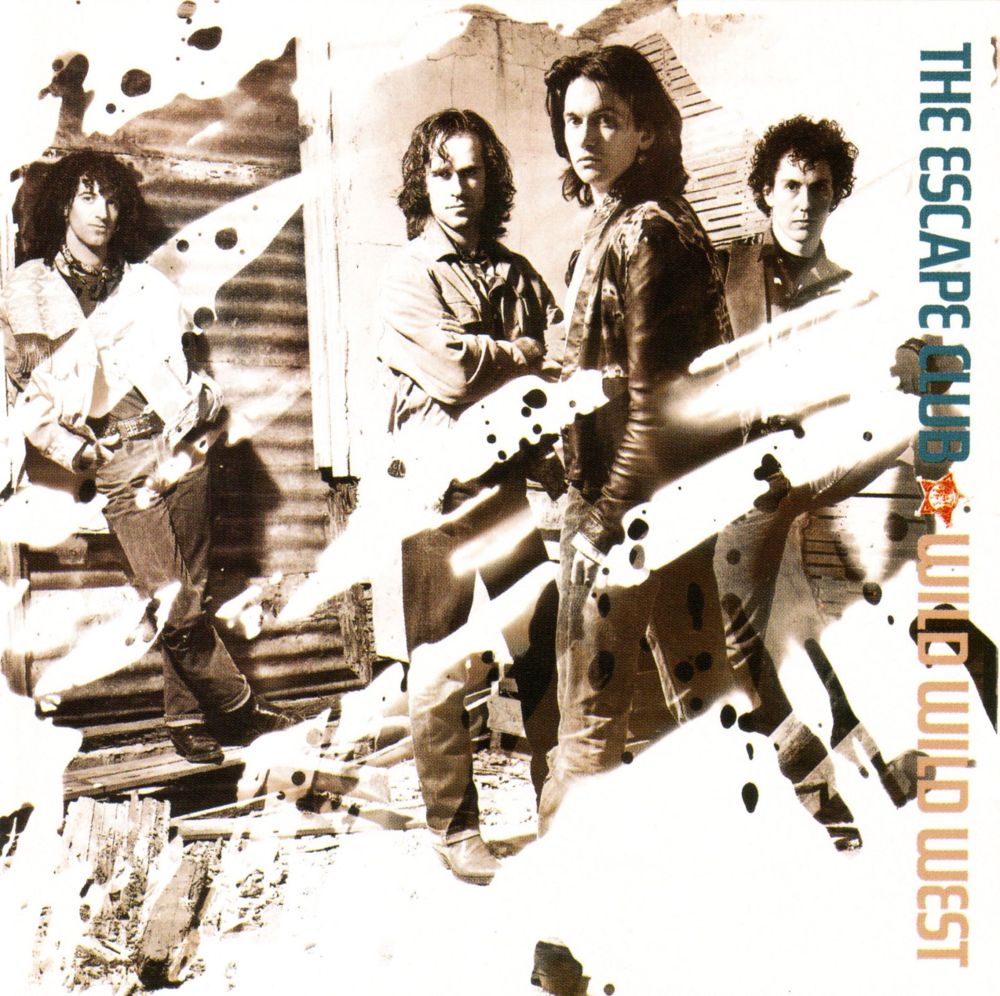
 View Artist