Song Meaning
This song paints a stark picture of a final farewell, tinged with regret and a sense of inevitable doom. The opening lines, "Dream on little brother / Let your conscience sleep," immediately establish a tone of weary resignation, suggesting a need to ignore harsh realities. The narrator warns that "the cut / Is far too deep," hinting at a wound that cannot be healed, and the imagery of "Run with the gun / But the war is over now" creates a powerful contrast between past action and present futility. The repeated phrase "they're going to frack you down" adds a layer of modern, almost environmental dread, implying a destructive force that will ultimately consume the subject.
The central tension revolves around a past conflict and its devastating consequences, particularly for "Joey Rae." The narrator expresses a profound sense of loss and finality, stating, "Thought I knew / That we may never / Meet again." The lyrics suggest a shared past, possibly involving "innocents and children" and a "distant land," where "you want to shoot them down." This points to a traumatic experience, perhaps a war or violent event, that has irrevocably shaped their lives and relationships. The narrator's act of "writing you / This message in the rain" underscores the somber, fleeting nature of their communication and the overwhelming sadness of the situation.
The most striking craft element is the juxtaposition of childlike innocence with brutal violence. Phrases like "Dream on little brother" and "Innocents and children / Chase the yellow man" are juxtaposed with "Run with the gun" and "you want to shoot them down." This contrast highlights a tragic loss of innocence, where youthful actions are entangled with deadly conflict. The recurring image of "writing in the rain" serves as a poignant metaphor for the ephemeral and sorrowful nature of this goodbye, a message fading as it's delivered. The narrator's own detachment, "I'm breathing / On the window pane," further emphasizes the emotional distance and the finality of their departure.
Ultimately, the lyrics resonate because they capture a profound sense of irreversible loss and the haunting weight of past actions. The narrator's decision to leave, "I won't be coming back again," is framed not as a choice for freedom, but as an escape from a destructive cycle. The "madness" unleashed by Joey Rae, taking a "gun today / And set your madness free," suggests a self-destructive path from which there is no return. The song's power lies in its melancholic portrayal of a fractured relationship and a world where the "war is over now," but the damage inflicted is permanent and deeply felt.
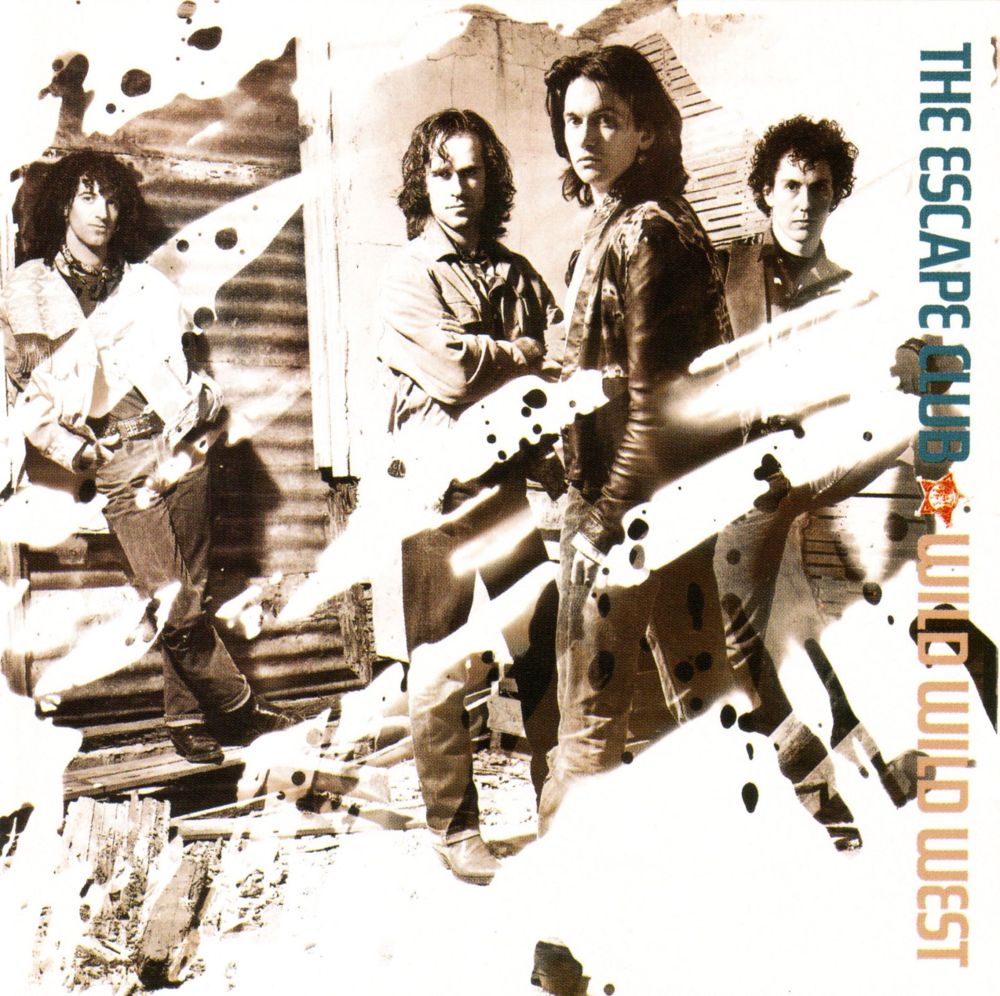
 View Artist