Song Meaning
The lyrics paint a stark picture of a forced departure, a descent into a primal, perhaps dangerous, place. The opening lines, "The time has come and we must part," set a tone of inevitability and resignation. The narrator seems to be pulling someone, or perhaps a part of themselves, towards a place "where the fever starts," suggesting a descent into sickness, passion, or a consuming force. This isn't a gentle farewell, but a forceful "drag your heart" towards an unknown, potentially perilous destination.
The central tension lies in the plea to the "river flowing, blood and Water." This powerful duality, "blood and Water," evokes a primal connection, perhaps familial or deeply ingrained, yet also hints at conflict or a mixing of life and something more volatile. The narrator desperately wants to be "home," but this home is a place of "fever" and "secrets, love and war," a return to a past state that is both alluring and destructive. The river acts as a conduit, a force that can "wash away" identity, symbolized by the narrator's name, and return them to a childlike state, or perhaps a more instinctual, less complicated existence.
The most striking aspect is the cyclical, almost hypnotic repetition of "Come on, come on, I'll drag your heart." This phrase, coupled with the insistent "blood and water, blood and water" and "into the night," creates a sense of being caught in an inescapable current. The river is presented as a powerful, capricious entity: "The river give and she take away." This personification highlights the loss of control, where one's own essence, their "blood," is surrendered to this overwhelming natural force, blurring the lines between self and the external, consuming environment.
Ultimately, these lyrics resonate because they tap into a deep-seated human experience of being pulled by powerful, often conflicting, forces. The raw imagery of "blood and water," the desperate plea for return, and the surrender to an overwhelming current create a visceral sense of being caught between the past and a consuming present. The writing effectively uses the river as a metaphor for inescapable destiny or primal urges, making the narrator's struggle feel both intensely personal and universally understood.
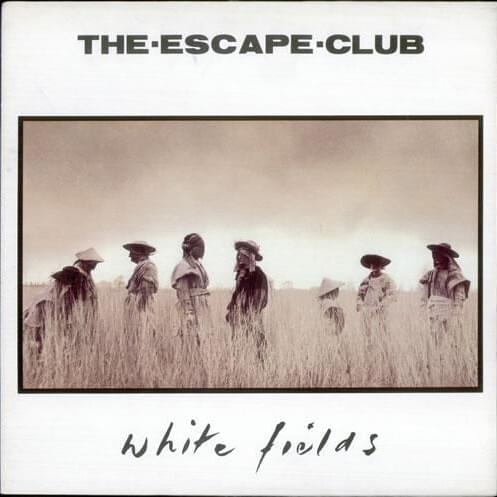
 View Artist