Song Meaning
The lyrics paint a picture of profound discomfort and a desperate, almost masochistic craving for more, even amidst suffering. The opening lines establish a visceral sense of unease, with the narrator "sleep[ing] on bugs and rust" and witnessing an unexplained distress in "her." This sets a tone of raw, unvarnished misery, immediately juxtaposed with a repeated, almost frantic desire: "And I want more!" It's a startling contrast, suggesting a deep-seated dissatisfaction or a compulsion that overrides physical pain.
The central conflict seems to revolve around a confrontation with self-worth and identity, particularly in the face of judgment. The narrator encounters "my maker in the grass," a moment of existential reckoning that is immediately followed by physical agony: "rocks, they burn my guts." This is intensified by the strange, self-inflicted torment of "Protecting plants through sodium," which "burns and boils my blood." The repeated questioning from a judge and "my love" – "You call yourself a man?" – forces a defensive, almost pathetic response: "I'm just a man, I'm just a man."
The most striking element is the relentless, almost paradoxical repetition of "And I want more!" This refrain, appearing after moments of intense pain and self-doubt, transforms the lyrics from a simple expression of suffering into something more complex. It suggests a cyclical pattern of seeking, perhaps for validation, sensation, or an escape that never truly arrives. The final plea, "Please my love no more," offers a glimmer of exhaustion, a potential breaking point in the cycle, but it’s immediately undercut by the preceding, insatiable demand.
What makes these lyrics hit hard is their unflinching portrayal of a mind caught in a loop of pain and desire. The raw, unadorned language, like "bugs and rust" and "burn my guts," creates an immediate physical reaction in the listener. The juxtaposition of this visceral discomfort with the desperate plea for "more" creates a disorienting tension, mirroring a feeling of being trapped in a destructive cycle that the narrator both endures and actively seeks. The simple, almost childlike repetition of the desire for "more" amplifies the sense of helplessness and the profound internal struggle.
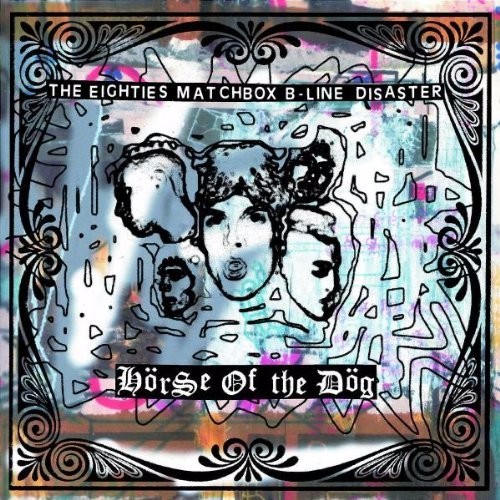
 View Artist