Song Meaning
The lyrics paint a stark picture of fractured connection, opening with a repeated accusation: "you're a murderer." This immediately establishes a tone of deep betrayal and hurt, setting the stage for a desperate plea for reconciliation. The narrator insists on direct eye contact, "look into my eyes, my baby," as a prerequisite for any communication or renewed friendship, highlighting a need for authentic, unclouded interaction amidst the emotional wreckage. The contrast between the accusation of murder and the desire for friendship creates a potent tension.
The central conflict seems to stem from a profound sense of disorientation and loss, articulated through lines like "Sometimes I'm lost I can't find my way home." This internal wandering is mirrored by the external plea for connection, suggesting that the narrator's ability to navigate their own life is dependent on the presence and sincerity of the person they address. The repeated invitation, "All you people can come to my home," feels less like a genuine welcome and more like a desperate attempt to anchor themselves, to find a sense of belonging through others when a key relationship has been damaged.
The most striking craft element is the juxtaposition of violent imagery with tender endearments. Calling someone a "murderer" while simultaneously referring to them as "my baby" and pleading for them to "be my friend again" creates a disorienting emotional landscape. This deliberate clash suggests a relationship so deeply wounded that love and hate, accusation and longing, are inextricably intertwined. The act of "finger[ing] your pulse" is a clinical, almost detached gesture that contrasts with the raw emotional demands, hinting at a complex dynamic where intimacy is sought through control or examination.
Ultimately, these lyrics resonate because they capture the painful paradox of wanting to reconnect with someone who has caused immense pain. The narrator's insistence on seeing into their eyes and the raw vulnerability of being "lost" and not knowing "where to go" grounds the abstract accusations in a palpable need for genuine human connection. The writing effectively conveys how profound hurt can warp the very language of love and friendship, leaving the speaker in a state of desperate, almost surreal, negotiation.
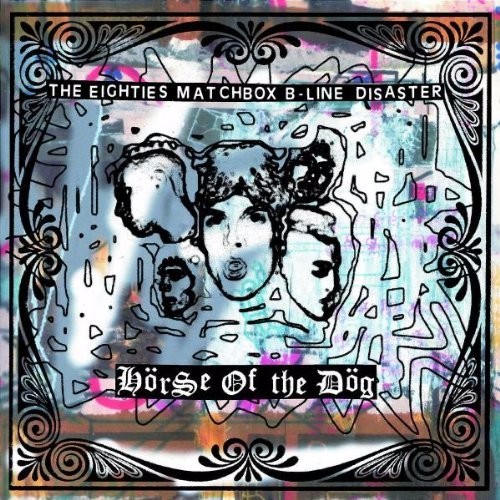
 View Artist