Song Meaning
The lyrics paint a stark picture of isolation and abandonment, where the narrator finds themselves utterly alone and disregarded by former acquaintances. The opening lines immediately establish a tone of harsh reality, detailing a fall from grace where "nobody wants you when you're down and out." This sense of being ostracized is amplified by the image of old friends passing by with "faces like stone," highlighting a profound lack of empathy or connection in the narrator's lowest moment.
The core tension emerges from this desolation, contrasted with a desperate plea for solace and a declaration of unwavering commitment. The repeated refrain, "Give me a song to sing / Woman, you're everything / We'll make it, we'll make it together," acts as an anchor. It suggests that despite the external world's indifference, the presence and affirmation of a specific "woman" offer a lifeline and the belief in a shared future, even amidst ruin.
The craft here hinges on sharp contrasts and a powerful, almost defiant, assertion of inner strength. While the external world is depicted as cold and dismissive, the narrator insists, "But I've still got my pride." This resilience, coupled with the direct address to the "woman," elevates the song beyond mere lamentation. It becomes an anthem of mutual support, where the promise of making it "together" is a direct response to the crushing weight of being "down and out."
This lyrical construction is effective because it grounds an abstract feeling of despair in concrete imagery of social rejection, then pivots to an intensely personal source of hope. The simple, declarative chorus offers a powerful emotional release, transforming a narrative of hardship into one of shared perseverance. It’s this dynamic between external abandonment and internal, shared resolve that gives the song its resonant impact.
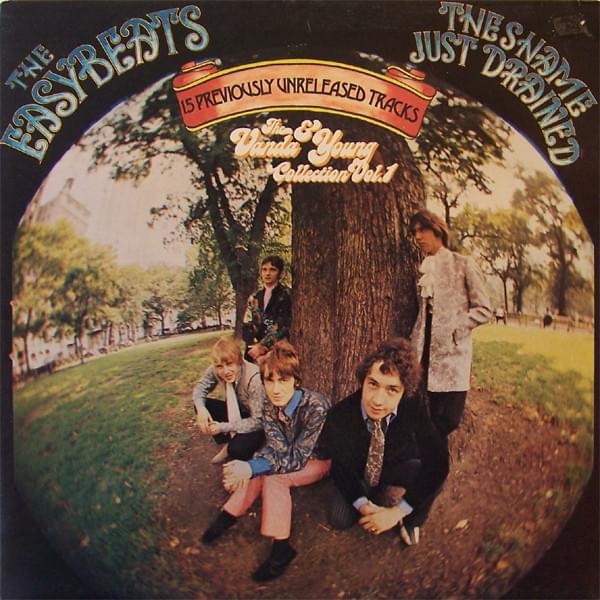
 View Artist