Song Meaning
The narrator claims happiness, but it's a happiness tinged with a strange, almost defiant satisfaction derived from someone else's perceived failings. The lyrics present a direct contrast: the speaker acknowledges their own potential 'falling behind' and the other person's 'lies,' yet this awareness fuels their own sense of contentment. It’s a happiness that seems to bloom in the shadow of another's perceived shortcomings, particularly their dishonesty.
The central tension lies in the speaker's assertion of being 'happy' while simultaneously cataloging the other person's negative actions and words. The phrase 'Makes me glad and I'm okay with you' in the first verse, and the more pointed 'Makes me glad 'cause I'm not heel of you' in the second, reveal a happiness that is conditional and comparative. The speaker finds solace not in genuine joy, but in a sense of superiority or relief stemming from the other person's perceived moral or behavioral deficiencies.
The most striking element is the almost taunting repetition of "I'm happy" juxtaposed with the accusatory question, "So why can't you be true?" This isn't the sound of pure bliss; it's the sound of someone trying to convince themselves, or perhaps the other person, of their own well-being by highlighting the other's flaws. The "Haha, about you" adds a layer of bitter amusement, suggesting the happiness is directly, and perhaps ironically, linked to the other person's perceived untruthfulness.
Ultimately, these lyrics resonate because they capture a complex, uncomfortable emotional state. It’s the feeling of finding a strange peace not through personal growth or genuine connection, but by observing and perhaps even reveling in the perceived flaws of another. The insistent, almost manic repetition of "I'm happy" in the outro underscores this forced cheerfulness, making the declaration feel less like an expression of joy and more like a desperate, self-affirming mantra against a backdrop of interpersonal discord.
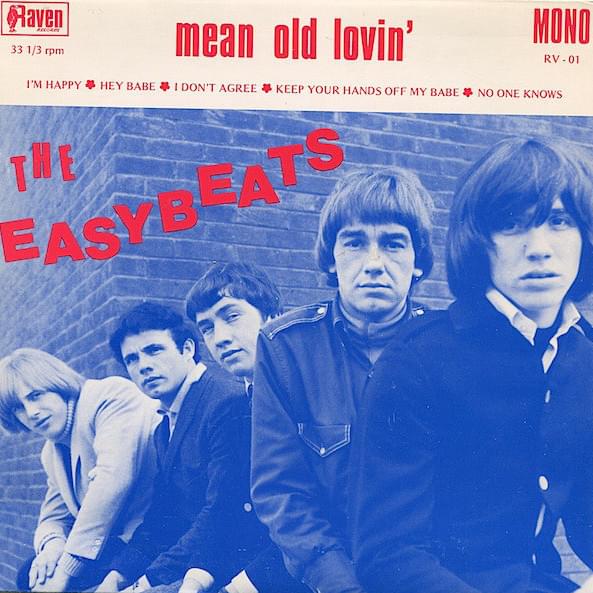
 View Artist