Song Meaning
This track opens with a striking image of self-transformation, finding a "wig I like" that creates a "familiar sight." This suggests a deliberate construction of identity, a curated appearance that feels right. The repeated "light let it take you there" acts as an invocation, a desire for this new presentation to transport both the speaker and an implied "you" to a different state of being. It sets a tone of seeking comfort and recognition through outward change.
The core tension arrives in the chorus, where the "you" is described as "harmony in a sad song." This is a fascinating paradox: harmony usually resolves dissonance, but here it "bring[s] out the misery you want." It implies that this person, rather than offering solace, amplifies or validates the existing sorrow, making it more potent or perhaps even desired. The speaker, in turn, identifies as "a higher ring," suggesting a separate, elevated existence, yet also acknowledges being "out there with you," indicating a connection despite this perceived difference.
The most compelling craft here is the central metaphor of "harmony in a sad song." It’s a brilliant subversion of expectation, turning a concept of musical resolution into an agent of emotional amplification. This isn't about finding peace; it's about finding someone who understands and deepens the specific brand of sadness. The repetition of "light" throughout, initially an invitation to escape, becomes a plea in the chorus: "Let the light bring you here," a call for this complex, misery-amplifying presence to arrive.
Ultimately, the lyrics resonate because they capture a specific, nuanced emotional experience: the allure of someone who doesn't fix your sadness but understands and intensifies it, making the familiar pain feel almost like a shared, chosen aesthetic. The speaker’s desire for this particular kind of connection, framed by the deliberate act of altering their appearance, speaks to a complex search for validation and belonging, even within melancholy.
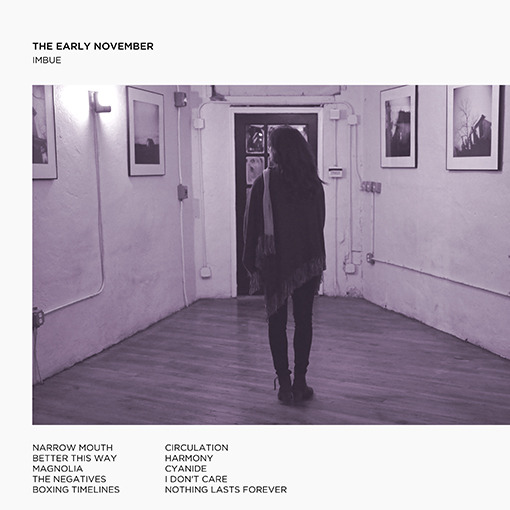
 View Artist