Song Meaning
This is a farewell, plain and simple, but steeped in a lifetime of reflection. The narrator looks back on a life spent in "good company," acknowledging that any "harm" done was ultimately self-inflicted, a consequence of "want of wit." There's a quiet acceptance of past follies, a sense that memory itself is fading, making the present moment, the "parting glass," all the more significant. The repeated phrase, "Good night and joy be with you all," acts as both a literal goodbye and a blessing, a final wish for those left behind.
The core tension lies between the narrator's imminent departure and the lingering attachments to the world. Friends and lovers express sorrow, wishing for "one more day," highlighting the bittersweet nature of this final hour. Yet, the narrator accepts their fate, recognizing a fundamental difference: "since it falls unto my lot / That I should rise and you should not." This stark contrast underscores the finality of their parting, a gentle but firm acknowledgment of separate paths.
The lyrics masterfully weave regret with a surprising tenderness. The narrator admits to being "sorely... beguiled" by a "fair maid," whose "rosy cheeks and ruby lips" have "enthralled" their heart. This final, vivid image of romantic longing, even as the end approaches, adds a layer of poignant humanity. It’s a testament to life’s enduring desires, even in the face of mortality, making the call for the "parting glass" feel less like resignation and more like a final, full embrace of experience.
Ultimately, the song's power comes from its unflinching honesty and its simple, elegant structure. The repetition of the farewell phrase anchors the listener in the present moment, while the retrospective verses offer a lifetime's worth of lived experience. It’s a profound meditation on companionship, regret, and the enduring pull of love, all distilled into a single, resonant toast.
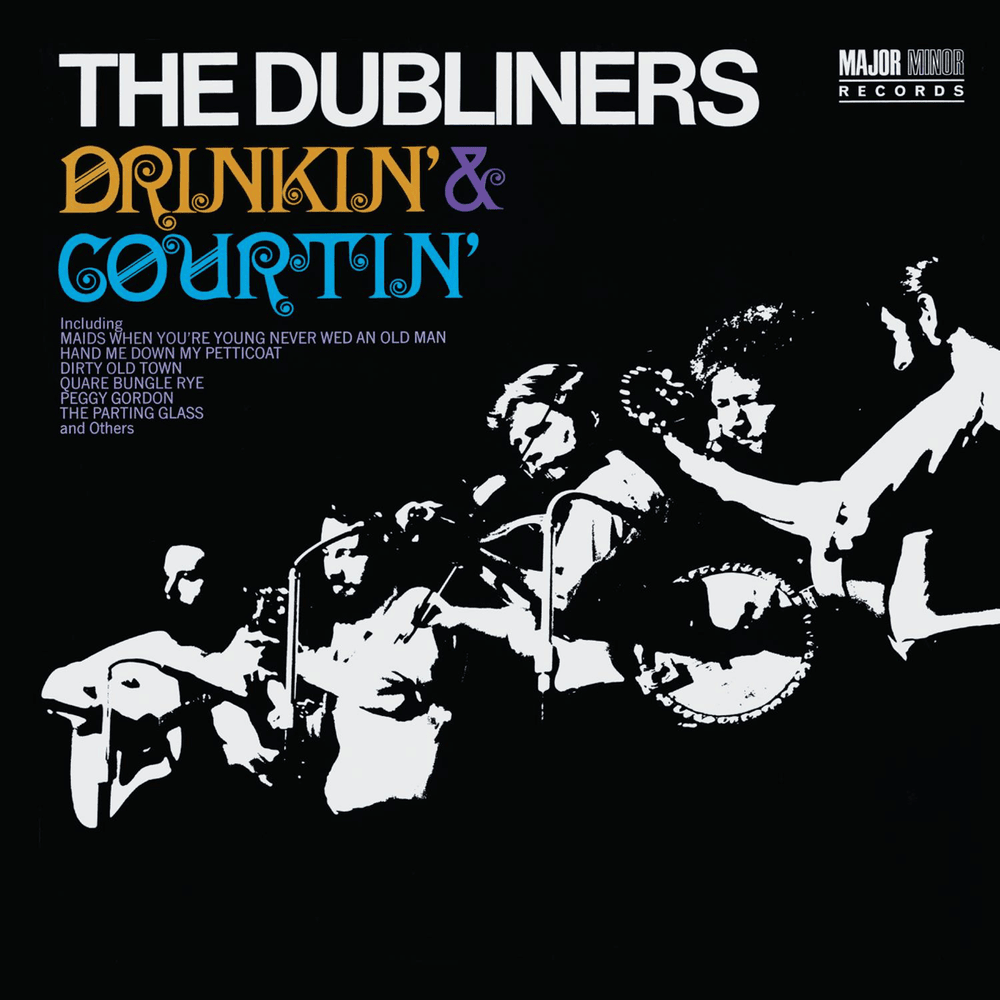
 View Artist