Song Meaning
The lyrics paint a picture of rapid, almost naive romantic infatuation. The opening lines immediately establish a tone of knowing observation, suggesting that some people fall in love "in a hurry" and "much too soon." This isn't a slow burn; it's an instant ignition, triggered by simple, almost cliché romantic cues like a few notes of "Stardust" or a "silly moon." The narrator positions themselves as someone who once found this behavior amusing but has since gained a different perspective.
The central tension lies in the contrast between this hasty emotional surrender and the narrator's newfound understanding. They observe others getting their "love torches burning" when they "should be playing it cool," and building "castles on wishes" with "rainbows for beams." This highlights a perceived lack of groundedness in these sudden romances. The repeated phrase, "I used to laugh but now I understand," acts as a pivot point, signaling a shift from detached amusement to empathetic recognition.
The craft here is in the simple, almost folksy imagery that underscores the theme of foolishness. Comparing lovers to "schoolgirls" and their aspirations to "castles on wishes" with "rainbows for beams" creates a consistent visual of youthful, perhaps unrealistic, idealism. The specific mention of "Stardust" grounds the trigger for this infatuation in a classic, almost archetypal romantic trope, making the "fool" seem less like an individual and more like a predictable archetype.
What makes these lyrics hit is the narrator's journey from judgment to acceptance. The act of shaking "the hand of a brand new fool" isn't mocking; it's a gesture of solidarity, an acknowledgment of a shared human experience. The lyrics suggest that while the speed and nature of falling in love might seem foolish from the outside, there's an underlying understanding that this is simply how some people, perhaps even the narrator themselves, operate when love strikes.
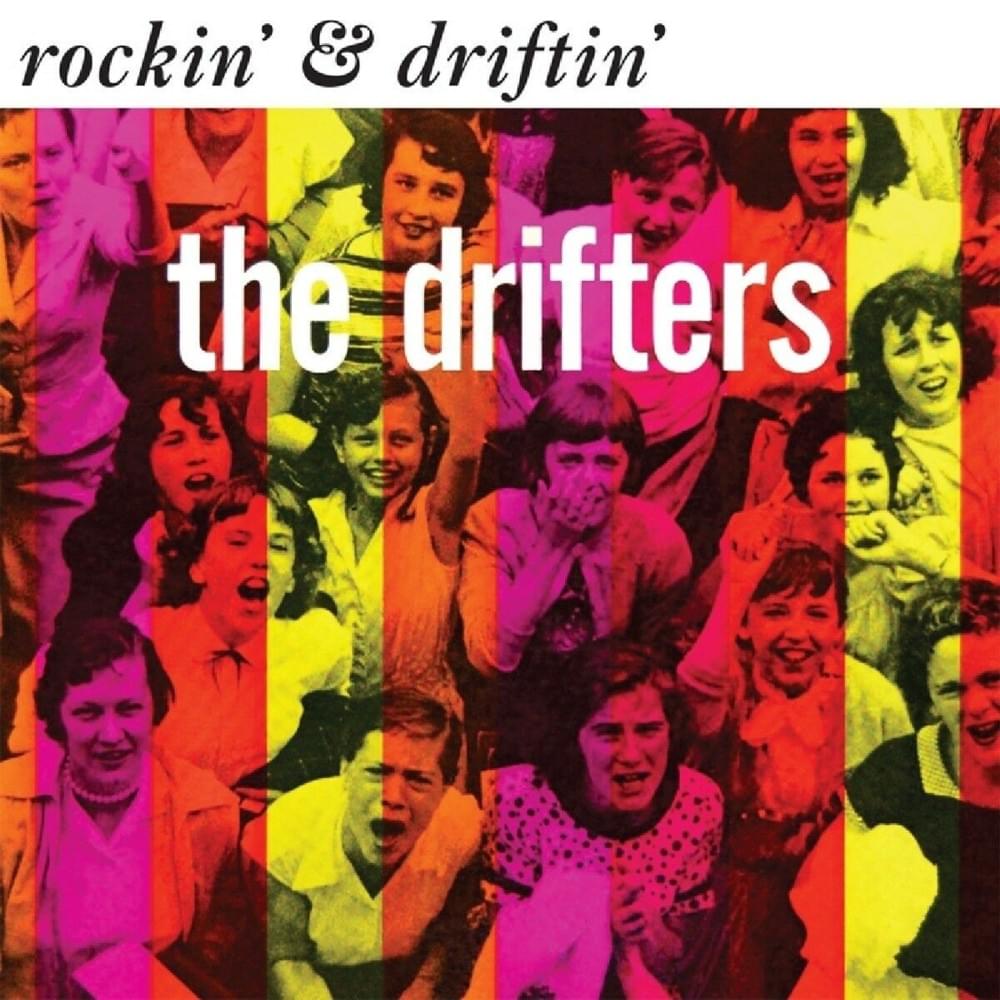
 View Artist