Song Meaning
The lyrics paint a picture of someone caught in a cycle of escape, haunted by a past they can't quite shake. The opening lines, referencing "Poor Otis dead and gone," immediately establish a sense of inherited melancholy or a burden passed down. This sets a somber tone, suggesting the narrator is left to carry on a legacy of sadness, perhaps even a musical one, as they are left "to sing his song." The imagery of a "pretty little girl with the red dress on" offers a fleeting, almost dreamlike contrast to this underlying gloom, hinting at a lost innocence or a specific memory that fuels the current state.
The central tension lies in the struggle between stillness and motion, between confronting the past and fleeing from it. The narrator tries to "turn around slowly" and "try it again, remembering when," suggesting a desire to revisit or understand what was lost. However, this introspection is immediately countered by the overwhelming feeling of the "running blues," a force that compels them to move, to escape. The phrase "not quite the walking blues" is particularly striking, implying a more urgent, less grounded form of distress that demands constant movement rather than a slow, deliberate progression through sorrow.
The craft here hinges on the repetition of the "running blues" and the contrast between the desire to remember and the compulsion to flee. The lyrics repeatedly state, "Can't fight the running blues," emphasizing a lack of control over this urge to escape. The destination, "back to L.A," and the search for "the dock of the bay" suggest a specific, perhaps idealized, place of refuge or resolution. Yet, the frantic energy of "running scared" and "Goin' so fast" underscores the futility of this flight; the blues are not left behind but are carried along, becoming an intrinsic part of the journey.
Ultimately, the effectiveness of these lyrics comes from their raw portrayal of a pervasive, inescapable sadness that manifests as a physical need to run. The narrator is trapped in a loop, trying to find peace or a lost sense of self by moving, only to find that the "blues" are the constant companion. The simple, direct language and the insistent rhythm of the chorus create a feeling of being caught in a relentless, internal chase, making the listener feel the weight of this perpetual motion and the unresolved sorrow it represents.
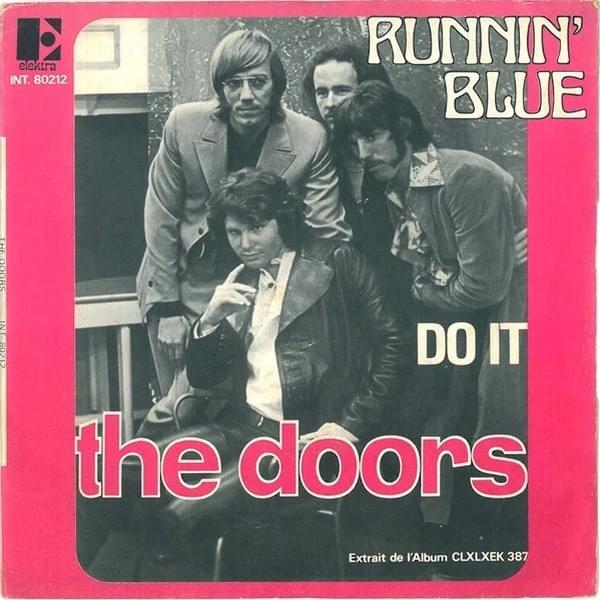
 View Artist