Song Meaning
The lyrics paint a stark picture of loss, centered around an ominous "train." It begins with an almost inviting, almost spiritual call to board a train, suggesting a journey or a new beginning. Yet, this initial promise quickly sours, revealing the train as a force of separation and irreversible departure. The repeated image of the "sixteen coaches long" emphasizes its imposing, unstoppable nature, a physical manifestation of fate or circumstance that carries away the narrator's loved one.
The central tension lies in the contrast between the train's initial invitation and its ultimate function as a thief of companionship. The narrator is left with the devastating realization that this "mean old train" has not only taken their "baby" but also their "only friend." The repetition of "Train, train / Coming down the line" transforms the train from a simple mode of transport into a relentless, almost sentient entity, its approach signaling inevitable heartbreak. The phrase "never come back" seals the finality of this loss, leaving the narrator in a state of profound absence.
The most striking aspect of the craft is the personification of the train as a malevolent agent. It's not just a vehicle; it's the active perpetrator that "took my baby" and "never come back." This elevates the train beyond a literal object to a symbol of overwhelming forces that can snatch away what's most precious. The stark, declarative sentences and the simple, repetitive structure mirror the blunt, unyielding nature of the loss itself, making the emotional impact feel direct and unadorned.
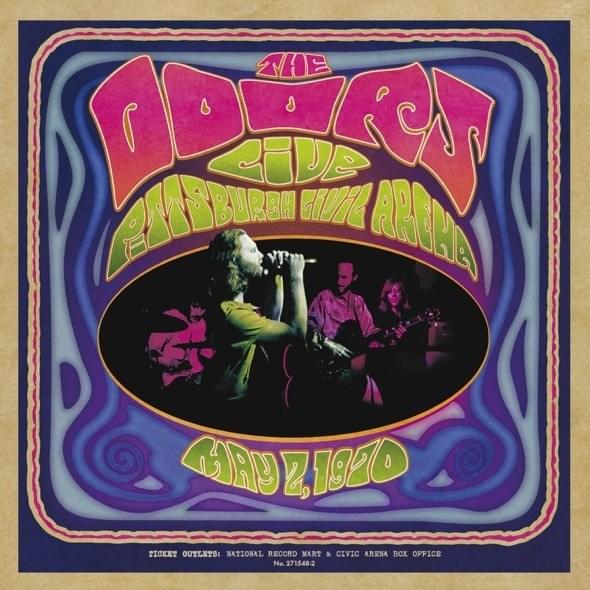
 View Artist