Song Meaning
The lyrics paint a stark picture of a shared, perhaps criminal, endeavor gone wrong, leaving the speakers facing judgment. The opening verse immediately establishes a sense of defeat, with a "jury" and "doubt in their eyes," suggesting their carefully prepared "words" were insufficient. This shared predicament is underscored by the pre-chorus, which laments a lost sense of purpose: "Now we forget why we started this." The emotional core lies in a desperate desire for safety and normalcy, a stark contrast to the perilous situation they find themselves in.
The central tension arises from the conflict between the dangerous path they've taken and a yearning for a simple, secure existence. The repeated refrain, "I don't want to go in the fire, I just want to stay in my home," acts as a primal scream against the destructive forces at play. This isn't just about physical danger; the "fire" seems to represent the consequences of their actions, the judgment, and the overwhelming negativity from "liars." The desire to be "with my own" highlights a longing for uncomplicated belonging, a refuge from the complex betrayals and accusations they face.
The most striking aspect of the writing is the way it uses the metaphor of a shared burden that has become a trap. The line "I held your weight, now it holds me" perfectly encapsulates this shift from mutual support to being crushed by the consequences of their past actions. The narrator appears to feel trapped by the very thing they once helped carry, a heavy, inescapable consequence. This is further emphasized by the contrast between being an "accomplice" and now forgetting the initial motivation, suggesting a loss of innocence or a descent into a situation they no longer recognize or control.
Ultimately, the effectiveness of these lyrics stems from their raw, unvarnished portrayal of regret and a desperate wish for escape. The simple, repetitive chorus acts like a mantra of longing, grounding the abstract fear of "fire" in the concrete desire for home. The bridge, with its insistent calls of "We're coming, we're coming home," offers a faint glimmer of hope, but it's a hope tinged with the exhaustion of their ordeal, suggesting that even the return home is fraught with the weight of what they've endured.
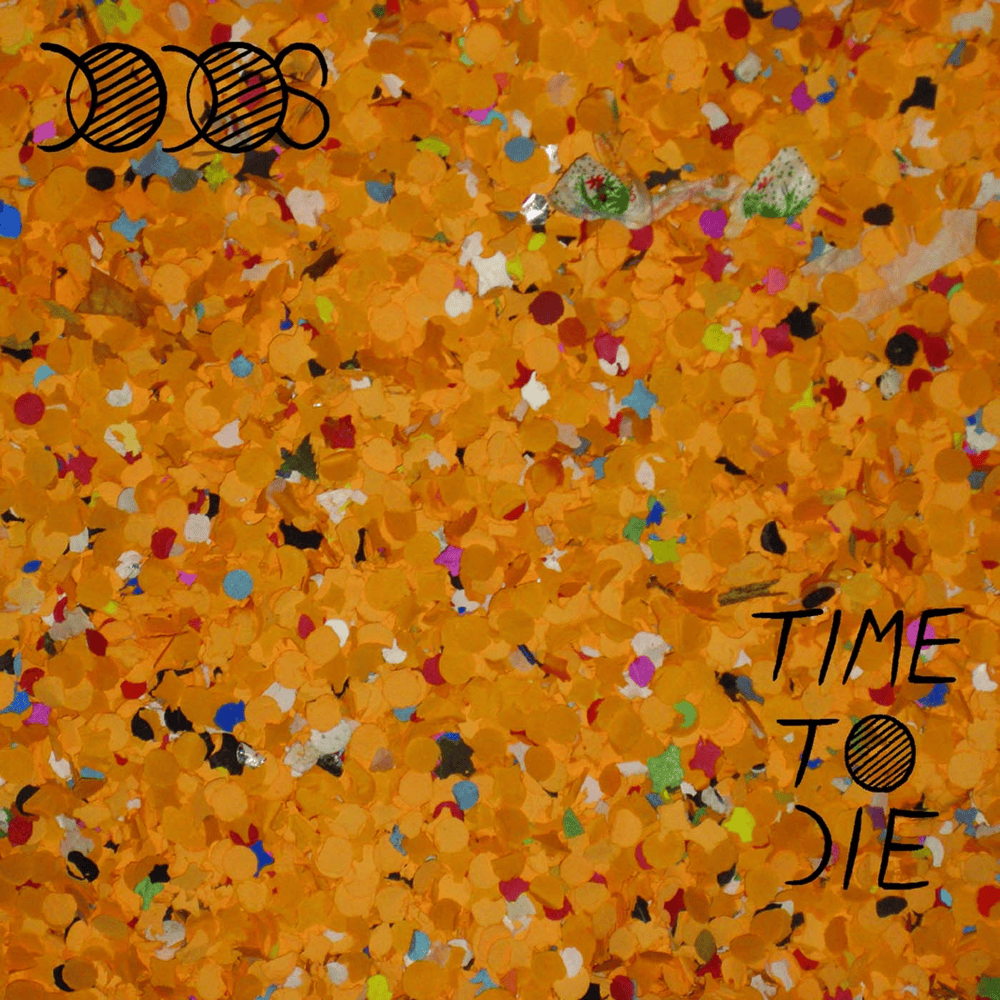
 View Artist