Song Meaning
The lyrics paint a stark picture of a childhood marked by conflict and displacement. The narrator recounts being born in "Londonderry" and "Derry City too," and growing up in "Enniskillen" and "Inis Ceithleann." This repetition of dual place names, one English and one Irish, immediately grounds the experience in a specific, divided landscape. The narrator notes being a "special child" who could "still to smile" despite "seeing such things," and a "clever boy" who watched his "hometown be destroyed." These phrases suggest a profound trauma witnessed at a young age, a forced resilience that hints at something deeply unsettling beneath the surface.
The central tension arises from the narrator's forced adaptation to a destructive environment. The repeated phrase "I kept my head down and carried on" becomes a mantra of survival, a quiet defiance against overwhelming circumstances. This stoic approach is juxtaposed with the devastating reality of a "hometown be destroyed" and the underlying awareness that "there was something wrong." The lyrics convey a sense of enduring hardship, not through active resistance, but through a determined, almost numb, perseverance.
The most striking craft element is the stark questioning that shifts the perspective from personal hardship to universal indifference. "Who cares where national borders lie?" and "Who cares what name you call a town?" these rhetorical questions strip away the significance of the conflicts that shaped the narrator's youth. The ultimate question, "Who'll care when you're six feet beneath the ground?" powerfully underscores the futility of the divisions and struggles, suggesting that in the grand scheme, these earthly disputes are meaningless.
This lyrical approach is effective because it moves from a deeply personal, almost claustrophobic, experience of conflict to a profound, existential release. The final stanza, with its "hint of blue in the black sky" and "ray of hope," culminating in the simple, repeated declaration "It's the sunrise," offers a powerful image of renewal. This transition from darkness and destruction to light and a shared, beautiful phenomenon provides a cathartic resolution, suggesting that even after "thirty years of night," a new dawn is possible and universally shared.
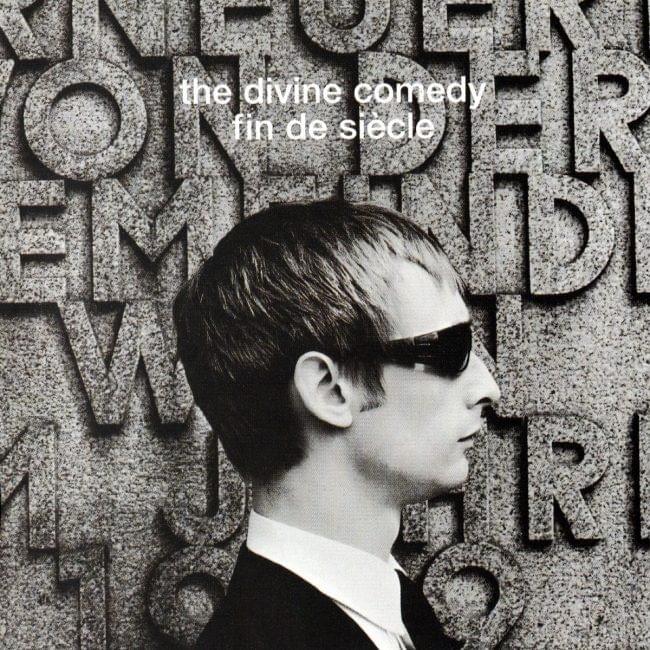
 View Artist