Song Meaning
The lyrics paint a picture of missed potential and mundane reality, starting with a vivid image of a "big blue coat" from "'69" and "tied brown bags." This opening feels like a snapshot of a life that once held promise, perhaps a younger self or someone observed. The narrator then introduces a "six foot four" trucker, a figure who "used to be the one" but is now "caught in his day job." This contrast between past aspiration and present routine is stark, immediately setting up a theme of unfulfilled destiny.
The central tension emerges with the repeated, almost bewildered, suggestion that these unfulfilled lives "Could've been the aliens" or "Should've been thе aliens." This isn't a literal claim, but a profound expression of how far removed these individuals feel from their potential, as if their true selves or destinies were otherworldly and unattainable. The phrase "caught without our wings" becomes the anthem for this feeling, a powerful metaphor for being grounded, unable to soar or escape the ordinary.
The most striking craft element is the juxtaposition of specific, almost mundane details (the coat, the bags, the trucker) with the fantastical "aliens" and the recurring, almost desperate, refrain "We're all caught without our wings." This creates a surreal, melancholic atmosphere. The counting "1, 2, 3, 4, four in a row" adds a sense of mechanical progression, further emphasizing the feeling of being trapped in a repetitive, uninspired existence. The direct question, "Tell me, what you think of that?" invites the listener into this shared sense of bewilderment and disappointment.
Ultimately, these lyrics resonate because they tap into a universal feeling of "what if." The writing doesn't offer easy answers but instead captures the quiet ache of unrealized dreams and the strange, almost alienating, feeling of being stuck. The power lies in its ability to make the listener reflect on their own "day jobs" and the potential "aliens" they might have been, all while feeling "caught without our wings."
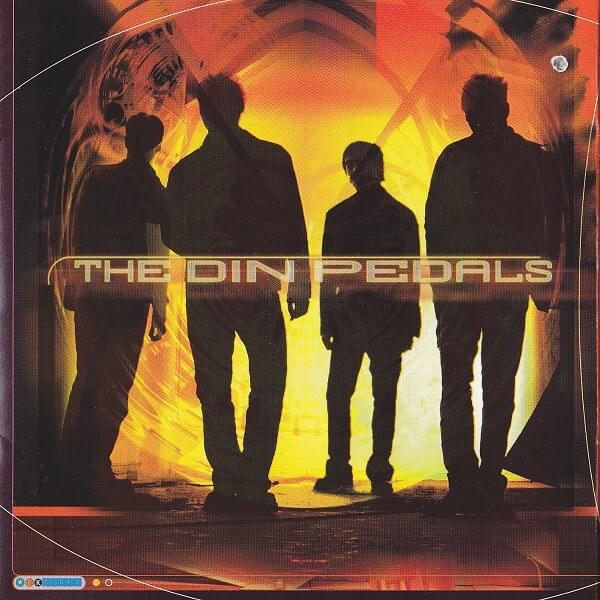
 View Artist