Song Meaning
The lyrics immediately plunge into a dizzying exploration of identity, power, and pretense. The speaker shifts roles from "king" to "fool" to "clown," constantly challenging perceptions of self and others. It's a sharp, unsettling look at who truly holds sway, beginning with the direct challenge, "Now who's the fool?"
The core tension lies in the speaker's fluid, almost contradictory, self-definition. They declare, "I am the mask that talks, inside the concrete flesh," suggesting a performative existence within a rigid reality. This persona is both powerful ("I am the king") and deliberately vulnerable ("I am the fool for a day"), hinting at a deeper game being played with identity and control.
The most striking craft element is the recurring motif of shedding and revealing. The speaker wants to "strip it off" and later asks to be made "the king, so I can strip it off." This cyclical desire to gain and then discard power, or perhaps a facade, suggests a restless dissatisfaction with any fixed identity. The "concrete playground" that "hides the valley" further emphasizes this tension between artificiality and a concealed, perhaps more authentic, truth.
The lyrics are effective because they build a character who is both dominant and deeply conflicted. The aggressive boasts — "I can beat you," "I can cheat you" — are abruptly undermined by the final, almost desperate query: "Can I be you?" This sudden pivot from asserting control to desiring another's existence reveals a profound insecurity or envy beneath the bravado, leaving the listener to question the true nature of the "fool" and the "clown."
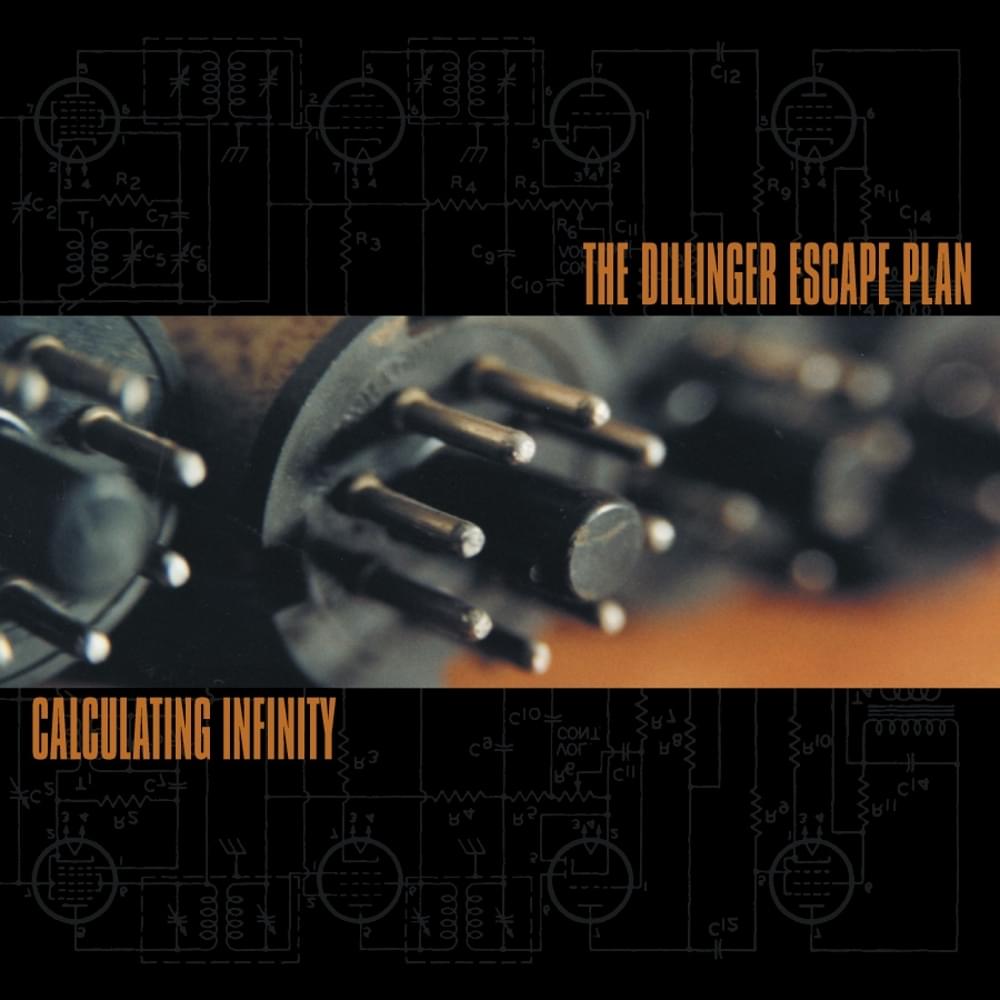
 View Artist