Jesus Christ Pose
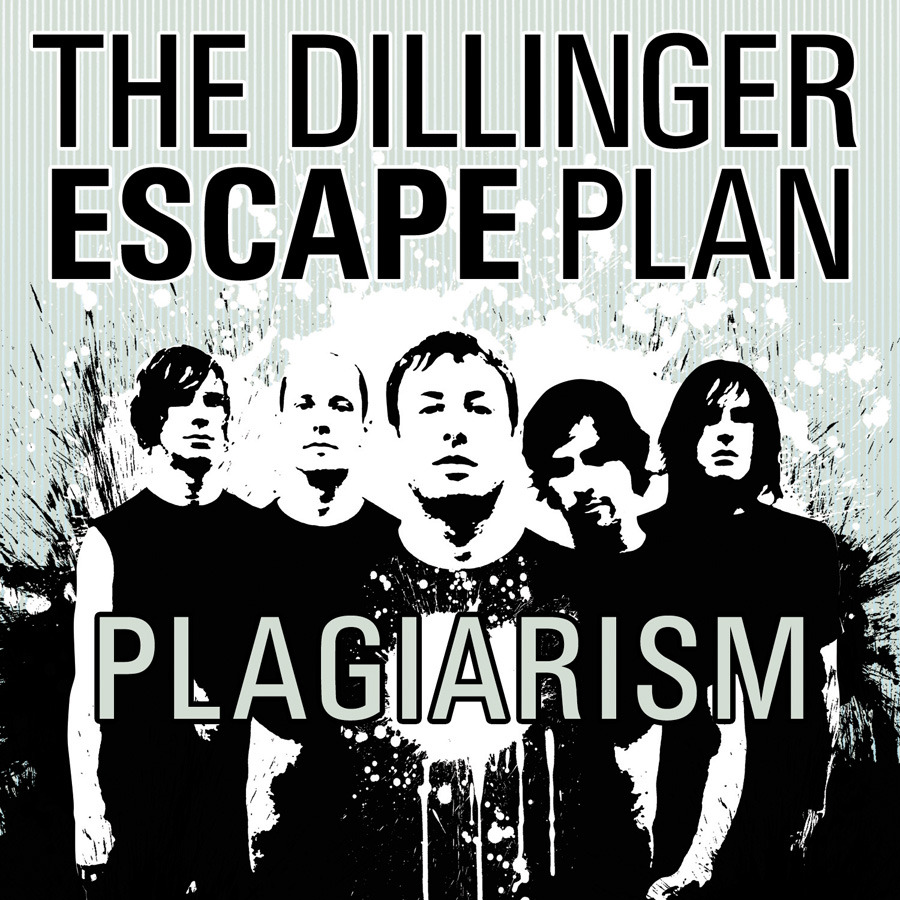
 View Artist
Lyrics
And you stare at me in your Jesus Christ pose Arms held out like you've been carrying a load And you swear to me you don't want to be my slave But you're staring at me like I need to be saved In your Jesus Christ pose Arms held out In your Jesus Christ pose Thorns and shroud like it's the coming of the Lord And I swear to you that I would never feed you pain But you're staring at me like I'm driving the nails In your Jesus Christ pose And you stare at me In your Jesus Christ pose Arms held out like it's the coming of the Lord And would it pay you more to walk on water Than to wear a crown of thorns It wouldn't pain me more to bury you rich Than to bury you poor In your Jesus Christ pose
Rate this song
0/5.0 - 0 Ratings
5
0.0% (0)
4
0.0% (0)
3
0.0% (0)
2
0.0% (0)
1
0.0% (0)
Loading comments...
Credits
- Writers
- Ben Shepherd
- Chris Cornell
- Matt Cameron
- Kim Thayil