Song Meaning
The lyrics paint a picture of someone defiantly embracing a bizarre, almost delusional sense of well-being. The narrator declares an intention to leave and stay, dismissing any external opinions with a flippant "I don't care what you say." This sets a tone of determined, albeit strange, self-assurance. The initial assertion of indifference to others' actions, even to the point of having them polish shoes, underscores a radical detachment from conventional social expectations.
The central tension arises from the narrator's proclaimed state of being "OK" juxtaposed with increasingly surreal and unsettling declarations. The fixation on Squeaky Fromme and the desire to take her to prom, alongside quitting a job at Lockheed, suggests a mind operating on a different wavelength. This isn't just about feeling good; it's about constructing a reality where these outlandish desires are perfectly normal and achievable, a reality that the narrator insists is "OK."
The repeated refrain "I'm OK, you're OK" acts as a mantra, a desperate attempt to solidify this internal state. The inclusion of specific cultural figures like Kim Fowley and Tomita, and locations like Sunset and the Starwood, grounds the narrative in a particular time and place, yet the interactions described feel disconnected and nonsensical. The advice from Fowley to "go back to the Valley" and Tomita's cryptic directions further highlight the narrator's peculiar journey, where external validation or guidance seems to confirm their internal delusion rather than correct it.
Ultimately, the effectiveness of these lyrics lies in their unsettling portrayal of a self-imposed reality. The narrator's unwavering insistence on being "OK" in the face of absurdity creates a disquieting effect. It’s not a celebration of happiness, but a chilling depiction of someone so committed to their own internal narrative that the external world becomes a mere backdrop, its logic irrelevant to their proclaimed state of being perfectly fine.
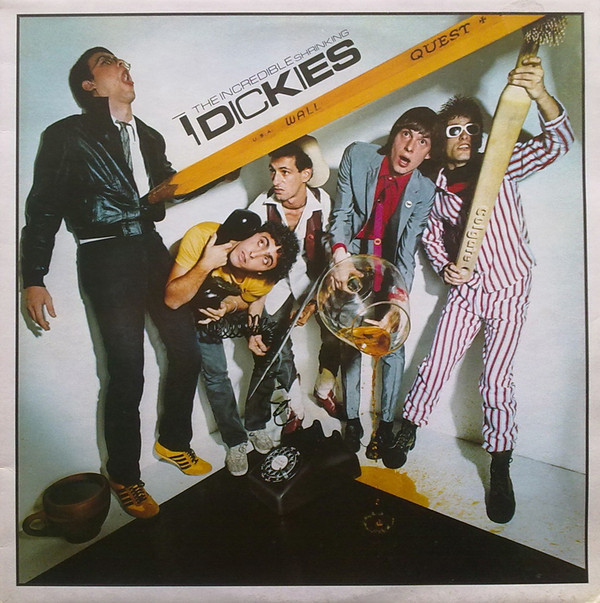
 View Artist