Song Meaning
The lyrics paint a grim, chaotic picture where societal order has collapsed, and traditional values are inverted. There's a pervasive sense of decay and corruption, with "gossip," "pleas," and "rumors of meaning in meaningless things" setting a tone of desperation and confusion. The imagery of "widows readied their marital beds" and "litters of bastards gnawed at your breast" suggests a breakdown of established structures and a primal, almost predatory, struggle for survival or sustenance.
The central tension lies in the reversal of fortune and moral standing. The narrator observes that "the filthy are first to be showered in love," while "saints wear rags," indicating a world where the wicked prosper and the virtuous suffer. This inversion is further emphasized by the idea that the narrator has taken someone in who brought a "plague" and corrupted their home, leading to the loss of a "queen" and the exploitation of their "wares." This suggests a betrayal or a destructive influence that has taken root.
The most striking craft element is the stark, almost biblical pronouncements that redefine power and damnation. The narrator declares, "when it don't anymore I'll see you in hell where I am God," a chilling assertion of ultimate authority in a realm of ruin. This is juxtaposed with the possessive, almost desperate plea, "They don't love you like I do / They love you better, I know you best," highlighting a complex mix of dominance and insecurity. The repetition of "Every hostile deed is your death / It's not mine" reinforces a sense of detachment and perhaps a grim satisfaction in the downfall of others.
These lyrics hit hard because they articulate a profound disillusionment with the world and its moral compass. The brutal honesty of the inversions and the narrator's god-like pronouncements in hell create a powerful, unsettling atmosphere. The writing doesn't offer comfort; instead, it forces a confrontation with a bleak reality where power, love, and consequence are twisted into unrecognizable forms, making the listener question the very nature of good and evil.
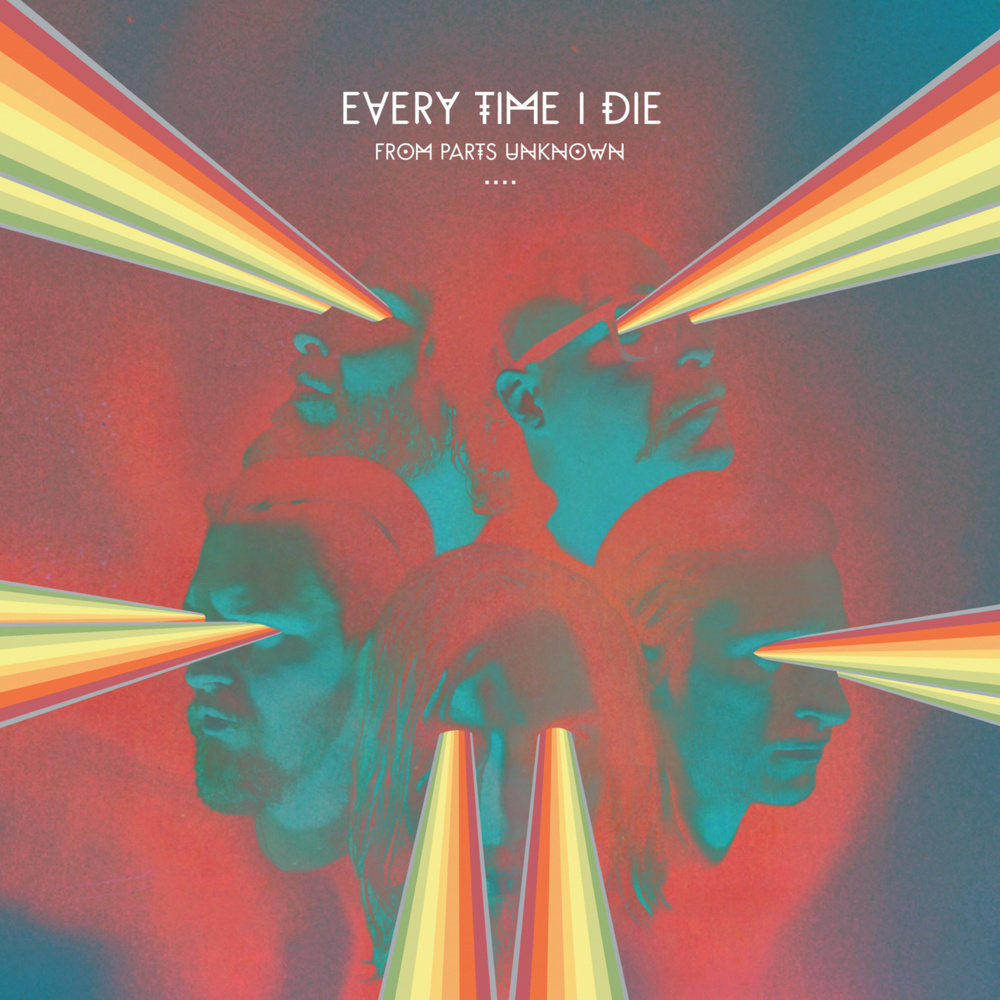
 View Artist