Song Meaning
The lyrics paint a stark picture of a relationship or performance that's lost its connection, reduced to a hollow spectacle. The narrator feels like they're dismantling a 'set,' a constructed reality, and warns the other person to maintain distance. This isn't about a shared experience; it's about a staged event where genuine emotion is absent, leaving only the visual and the spoken word, like a 'film without the sound.'
The central tension lies in the narrator's desperate attempt to preserve their ideals against the perceived emptiness of the other person's gaze. They see their own aspirations 'flash to nothing' when reflected in the other's eyes, a devastating realization that turns their world into a blank 'screen with nothing shown.' This void is profound, a 'hole' that no memory or image can fill, leading to a shared state of 'killing time.'
The repeated phrase 'killing time' is a powerful motif, highlighting the mutual stagnation and lack of purpose. It underscores the performative nature of their interaction, where both parties are merely going through the motions. The narrator's declaration, 'I don't need to feel lonely,' feels like a defiant, yet ultimately hollow, assertion against the very isolation that permeates the scene. The final lines reveal a deep resentment, a feeling that this emotional void is being imposed upon them.
This lyrical construction is effective because it uses the language of theater and film to articulate a profound sense of emotional disconnect. The contrast between the visual performance and the missing 'sound' or 'nothing shown' creates a palpable sense of absence. The narrator's internal struggle, seeing their ideals extinguished, makes the shared act of 'killing time' feel less like boredom and more like a shared, painful resignation.
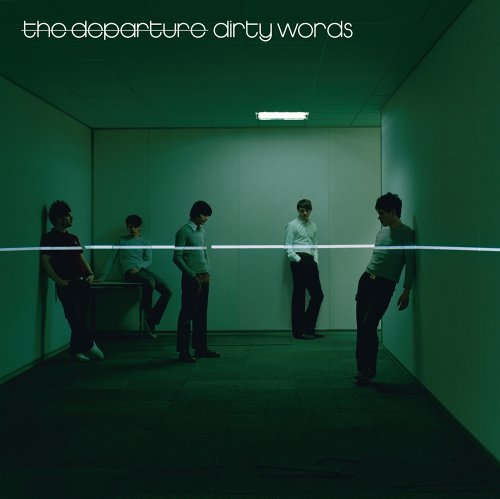
 View Artist