Song Meaning
The lyrics paint a picture of internal struggle, where the narrator is battling persistent negative thoughts, referred to as "demons." These internal voices urge self-destructive behavior, creating a sense of fragility and the feeling of being on the verge of collapse. Despite efforts to "maintain" and "elevate," the narrator experiences a cyclical pattern of falling while trying to ascend, highlighting a feeling of being trapped with "no escape."
The core tension lies in the paradoxical relationship the narrator develops with this internal adversary. The phrase "This enemy, is my best friend" suggests a grudging acceptance or even reliance on the struggle itself. It implies that confronting these "demons" is the only path forward, even if it's a painful and recurring one, leading to a sense of resignation: "I take it to the grave."
The writing effectively uses contrasting ideas to convey this complex emotional state. The narrator is simultaneously trying to "climb" and "falling," feeling "almost there but so far away." The idea of being "in this together" with the very thing causing distress is a powerful, albeit bleak, form of self-reliance. The final lines, "Cause when the scene cuts, there's really no one," underscore a profound sense of isolation, suggesting that this internal battle is a solitary one.
This internal conflict is compelling because it normalizes the experience of fighting against one's own negative impulses. The lyrics don't offer easy solutions but instead focus on the gritty reality of ongoing struggle. The acceptance of the "enemy" as a "best friend" is a stark, honest portrayal of how deeply ingrained challenges can become part of one's identity, making the fight feel both inevitable and strangely familiar.
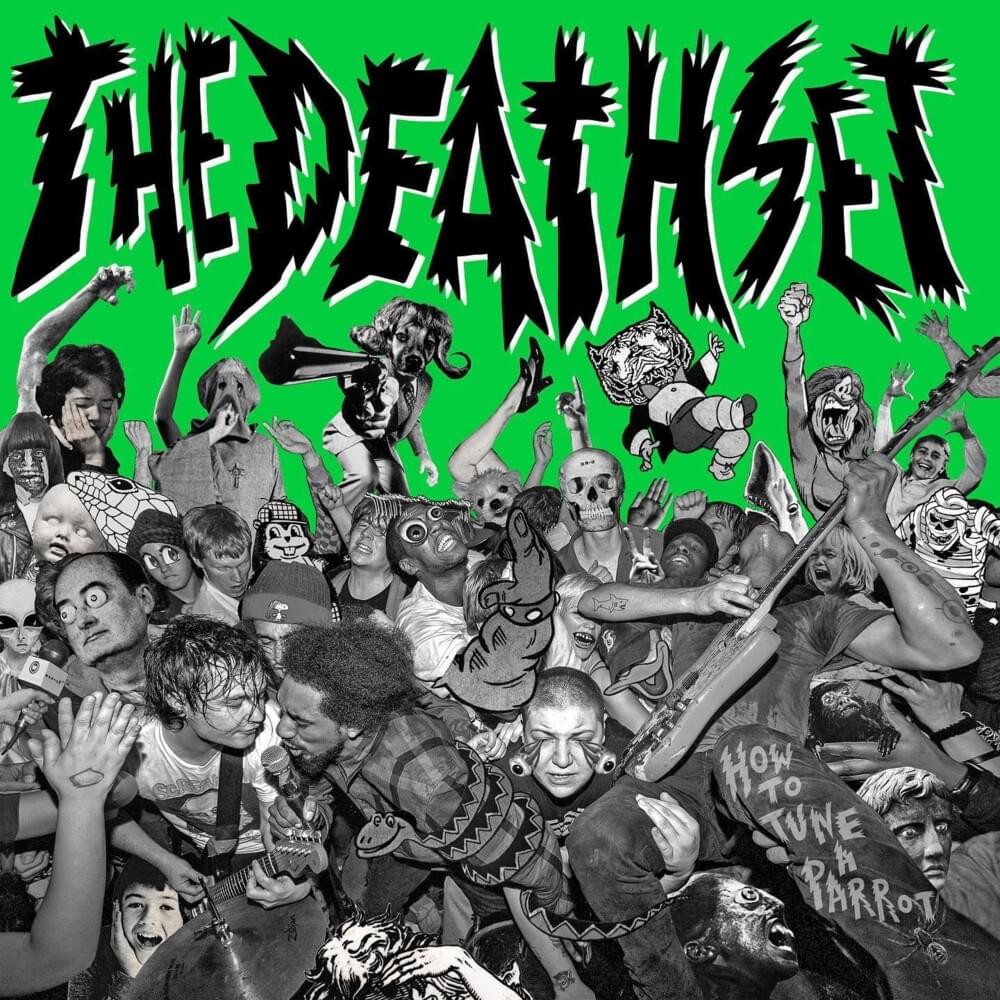
 View Artist