Song Meaning
The lyrics paint a stark picture of lingering affection and the painful awareness of its futility. The narrator is stuck in a loop of missing someone, a constant refrain that defines their present existence. There's a palpable sense of helplessness, as the repeated "I miss you, that's all that I do" emphasizes a state of emotional paralysis, unable to move past the absence.
The core tension lies between the narrator's persistent longing and the perceived reality of the other person's detachment. The narrator observes them "walkin' on your own" and believes "you'd rather be alone," suggesting a conscious decision by the other person to create distance. This observation fuels the narrator's internal conflict: they want to offer love but acknowledge "it's wrong," indicating a recognition that their feelings are no longer reciprocated or perhaps even welcome.
The most striking aspect is the raw, almost childlike simplicity of the language, which amplifies the emotional weight. The repetitive structure, particularly the insistent "I miss you," mimics the obsessive nature of unrequited feelings. The question "did you have to go" carries a tone of bewildered hurt, while the plea "Will you, please say for sure / Will you, love me any more" reveals a desperate need for closure, even if that closure is painful.
This directness is precisely what makes the lyrics hit so hard. There's no elaborate metaphor or complex narrative, just the unvarnished truth of someone grappling with a love that seems to have ended, yet refuses to fade. The narrator's admission "I may be wrong to just keep on" is a moment of self-awareness that makes their continued longing even more poignant, highlighting the struggle between hope and the harshness of reality.
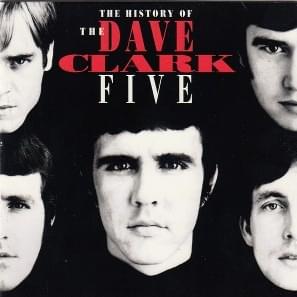
 View Artist