Song Meaning
The lyrics paint a picture of an intense, almost surreal romantic encounter that quickly dissolves into a profound sense of loss. The opening verses capture a playful yet urgent dynamic, with the narrator's partner initiating a desire for escape and shared experience. The repeated phrase "run away with you" suggests a yearning for a new reality, a shared adventure away from the mundane. This initial scene is charged with a sense of wonder and immediate connection, setting the stage for something extraordinary.
The central tension emerges from the narrator's perceived distance and the partner's direct plea for acknowledgment of her love. "Why are you so far away?" she asks, highlighting a disconnect despite their physical closeness and the narrator's actions like kissing her. The narrator's internal state seems to be one of dreaming or being lost in the moment, unable to fully reciprocate or perhaps even comprehend the depth of her feelings in real-time. This creates a poignant contrast between her expressed love and his apparent unawareness or inability to grasp it.
The bridge introduces a dreamlike, almost ethereal quality, describing the object of affection as "strange as angels" and comparing her to a "dream." This elevated, fantastical imagery underscores the narrator's perception of her as something precious and perhaps unattainable. However, this idealized vision is starkly contrasted in the final verse. The abrupt shift to "Daylight whipped me into shape" and finding himself "alone, alone" signifies a harsh return to reality. The "raging sea" becomes a powerful metaphor for the overwhelming force that has taken her, "drowned her deep inside of me," suggesting a loss so profound it has become an internal, consuming grief.
What makes these lyrics so effective is the swift, brutal transition from ecstatic, dreamlike romance to devastating, internalized sorrow. The initial playful "trick" that makes her "scream" and "laugh" is later revealed to be a prelude to a loss that leaves the narrator "alone above a raging sea." The narrative craft here is in its sharp contrast and the devastating final image, where the "dream" of love is consumed by a "raging sea" that drowns the beloved within the narrator himself, leaving an indelible mark of profound, solitary grief.
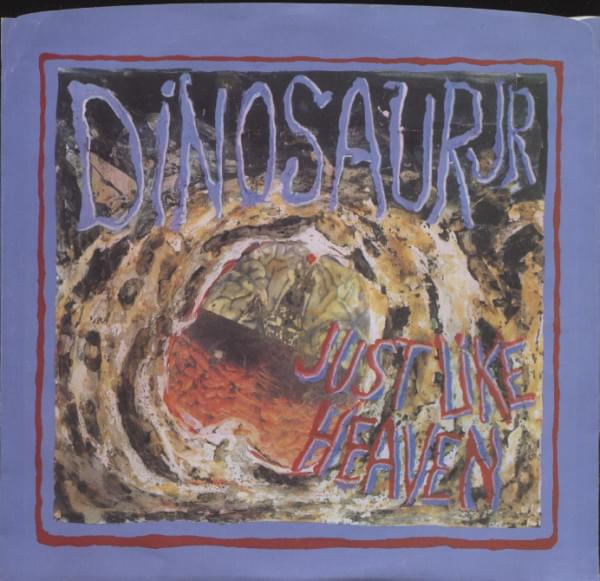
 View Artist