Song Meaning
The lyrics paint a picture of a relationship that has gone through immense hardship, possibly a breakup and a subsequent attempt at reconciliation or a reflection on a past, intense connection. The repeated phrase "Second time around!" acts as both an exclamation and a somber acknowledgment of revisiting a painful situation. The narrator recalls harsh words spoken, "Don't you wish that we were dead," suggesting a level of animosity or despair that marked their previous experience together. This isn't a simple reunion; it's a return to a place fraught with negativity.
The central tension seems to lie in the narrator's desire for the other person to witness the profound impact of their past relationship. The lyrics shift from a desire for fame and fortune, "Really famous stinking rich," to a more personal revelation: "What your love so did for me." This contrast implies that the relationship, despite its apparent toxicity, was deeply formative. Later, this is juxtaposed with the damage caused by others, "What those girls, they did to me," hinting at infidelity or external pressures that contributed to the relationship's downfall. The "second time around" is an opportunity for this painful reckoning.
The most striking aspect of the craft here is the relentless repetition of "Second time around." It functions like a mantra, underscoring the cyclical nature of their experience and the narrator's insistence on revisiting these raw emotions. The abrupt introduction of "Really famous stinking rich, yeah" feels almost like a non-sequitur, but it serves to highlight a potential aspiration that was either derailed or is now being re-evaluated in light of the relationship's consequences. The raw, almost desperate "oh god!" at the end of the final verse solidifies the overwhelming emotional weight of this second encounter.
Ultimately, these lyrics resonate because they capture the disorienting feeling of returning to a place of intense emotional pain, hoping for a different outcome or at least a clearer understanding. The narrator seems to be grappling with the lasting effects of a love that was both destructive and deeply significant, forcing a confrontation with past hurts and the lingering questions of what might have been or what still is.
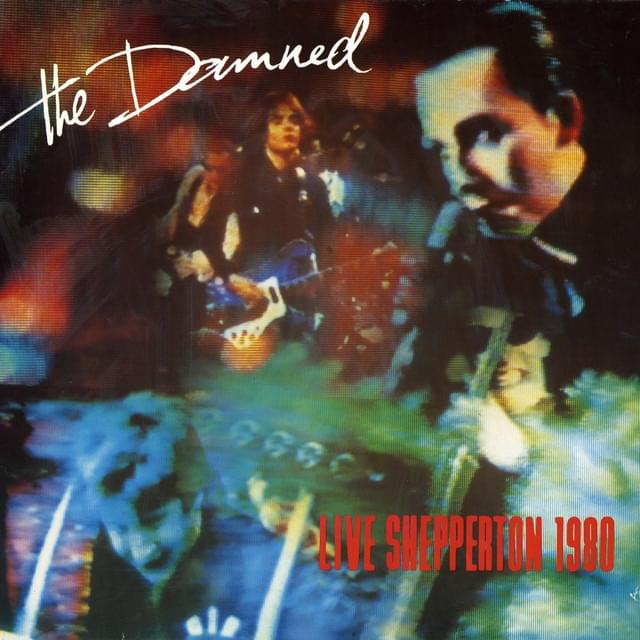
 View Artist