Song Meaning
The lyrics paint a stark picture of two isolated individuals, a man and a girl, each trapped in their own solitary worlds. The man resides "in a dark little room" with "no love to share," while the girl, "on the other side of town," also finds herself "no one else around." This initial setup establishes a profound sense of loneliness that permeates both their lives, suggesting a shared condition despite their physical separation.
The central tension arises from the chorus's insistent questioning: "All alone, what a shame / On his shoulders place the blame / No one home, who's to blame?" This refrain repeatedly assigns blame for their solitude, yet the ambiguity of "who's to blame?" creates a disquieting loop. It highlights the frustrating paradox of loneliness – is it self-inflicted, or is it an external force, a cruel twist of fate?
The most striking aspect of the writing is the subtle yet devastating portrayal of missed connection in Verse 3. The narrator observes them sharing the same daily commute, "on the same bus every day," yet their paths never intersect: "their eyes never meet." This proximity amplifies the tragedy of their isolation, making their separate rooms feel even more poignant. The final line, "Life is cruel that way," offers a resigned, almost fatalistic explanation for this persistent disconnect.
These lyrics hit hard because they capture the quiet desperation of being surrounded by potential but unable to reach it. The simple, repetitive structure and direct language mirror the monotonous reality of the characters' lives. The unresolved question of blame leaves the listener with a lingering sense of unease, reflecting how often loneliness feels both deeply personal and inexplicably beyond our control.
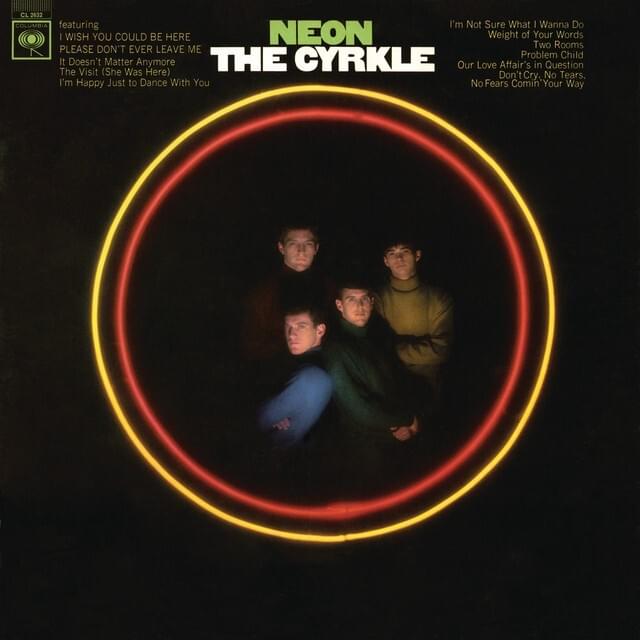
 View Artist