Song Meaning
The lyrics paint a stark, almost venomous portrait of a manufactured celebrity, a "Dirty Little Rockstar" whose image is a carefully constructed facade. The opening lines immediately establish a dichotomy between the aspirational image and the grim reality: "Blood stained sleeve your Slimane Dior" juxtaposes high fashion with violence, while "live a lie sold your soul for the paper" and "slave be a media whore" strip away any glamour, revealing a transactional and exploitative existence. The narrator sees through the performance, highlighting the hollowness beneath the surface.
The central tension lies in the narrator's disillusionment with this persona. While the subject desires the title of "Dirty Little Rockstar," the narrator counters with a repeated, emphatic "I don't see no Dirty Little Rockstar" and "I don't believe no Dirty Little Rockstar." This isn't admiration; it's a condemnation of the artificiality and the perceived moral decay associated with this kind of fame. The lyrics suggest a world where "chaos breeds under heaven's skyline," implying that the pursuit of this image occurs in a morally compromised environment where only the most resilient, or perhaps the most ruthless, can endure.
The writing employs sharp, often brutal imagery to convey this critique. Phrases like "Shootin saphires up a dead man's arm" and "Hyenna lurk outside your door" evoke a sense of desperation, addiction, and predatory forces surrounding the subject. The repeated actions "Bite your lip / Shake your hip / Taste the whip" suggest a forced, almost masochistic performance, a cycle of pain and superficiality. The contrast between the desired "Rockstar" image and the grim reality of being "passed out on the bathroom floor" underscores the destructive nature of this fabricated life.
Ultimately, the effectiveness of these lyrics stems from their unflinching, almost accusatory tone and their vivid, unflattering imagery. The narrator doesn't just observe; they judge, dismantling the illusion of the "Dirty Little Rockstar" with a series of cutting remarks and dark visuals. The repeated assertion that "we need no Dirty Little Rockstar" serves as a final, dismissive statement, rejecting the entire archetype as something undesirable and ultimately unnecessary.
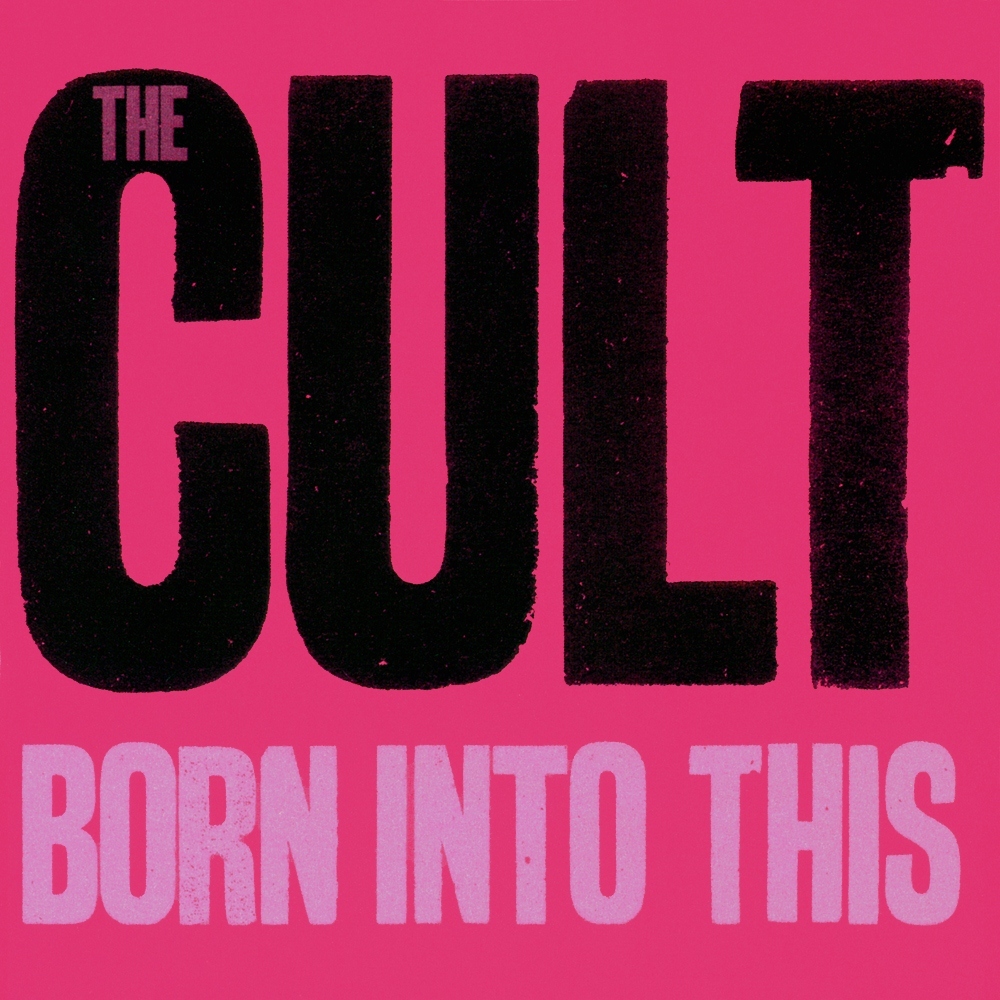
 View Artist