Song Meaning
The lyrics paint a picture of a quiet, almost accidental intimacy. The narrator recalls a simple evening, walking on the sand and gazing out a window, suggesting a shared moment that feels natural and right. There's a gentle, unforced quality to the scene, a feeling of things unfolding organically without grand declarations or forced understanding. The dominant tone is one of soft wonder, a hesitant acknowledgment of a deeper connection.
The central tension lies in the tentative realization of love. The phrase "It could be that we're in love" is repeated, emphasizing a hopeful uncertainty rather than a definitive statement. This isn't a dramatic confession, but a dawning awareness, a possibility that hangs in the air. The lyrics suggest that sometimes, profound feelings can arise from the most ordinary of circumstances, like a shared walk or a quiet gaze, without needing explicit explanation or analysis.
The most striking craft element is the repetition of "Could be we're in love," which transforms from a hesitant question into a more insistent, almost self-reassuring mantra. This repetition, especially in the final stanza, amplifies the narrator's internal wrestling with this potential truth. The imagery of looking "Through your window" and reflecting "in a star" also creates a sense of shared, introspective space, where the external world fades and an internal, emotional reality takes precedence.
These lyrics resonate because they capture the subtle, often understated way love can begin. The focus on simple, sensory details – the sand, the night, the window – grounds the emotional realization in tangible experience. The hesitant phrasing "could be" makes the burgeoning feeling feel authentic and earned, reflecting how many genuine connections start not with a bang, but with a quiet, hopeful "what if."
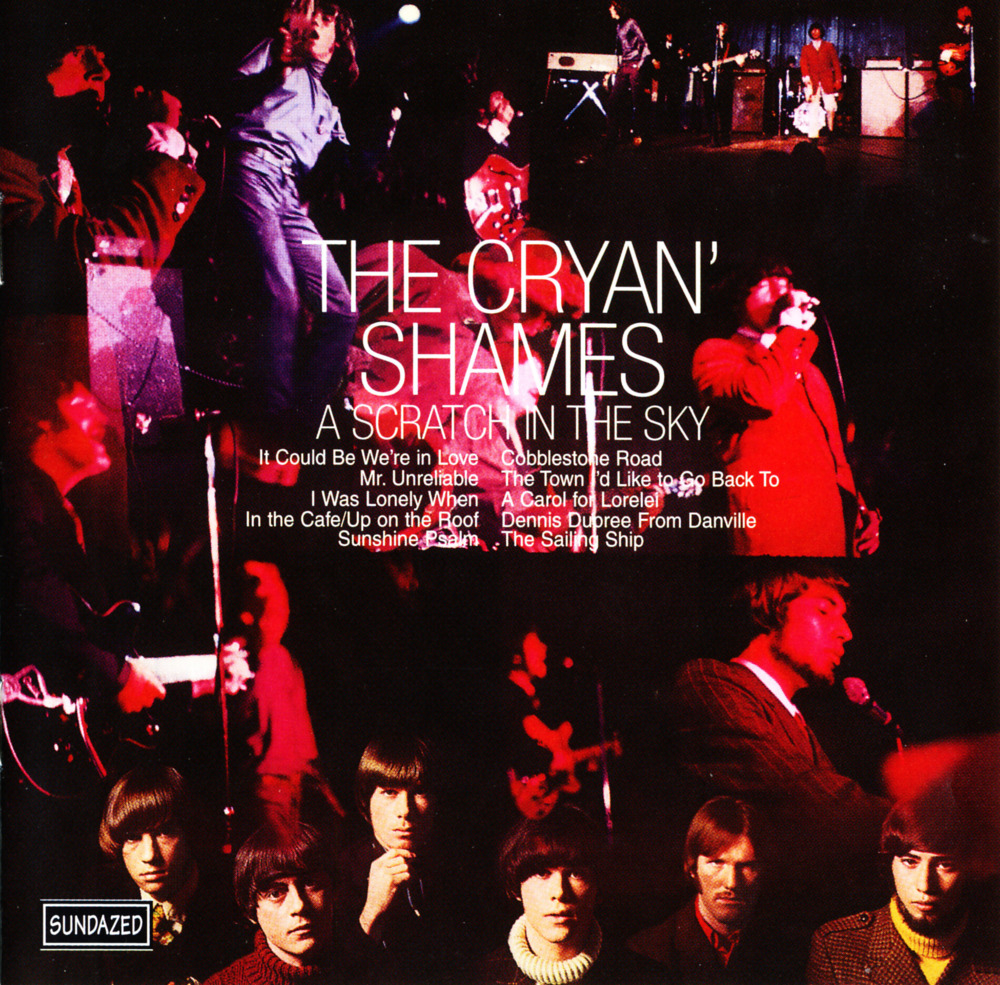
 View Artist