Song Meaning
The lyrics paint a stark picture of a being consumed by a past transgression, their very essence a paradox of "fire" that is "black and deep and cold." This internal conflict stems from a "choice" made "so many years ago," a decision that has stripped them of their ability to "fly," effectively tethering them to a self-imposed punishment. The dominant tone is one of regret and enduring consequence, a perpetual state of being "burning for the choice I made."
The central tension arises from the narrator's isolation and the intrusion of others into their "mad deluded world." Despite being grounded, these "seraphs" or perhaps beings associated with them, "cross the battle lines" and enter "their end," suggesting a destructive force or an inevitable confrontation. The narrator carries "punishments" that are "of my own design," highlighting a profound sense of responsibility and self-inflicted suffering for a past act where they "brought the hand of God."
A striking element is the stark juxtaposition of opposing concepts presented as "dreams": "One dream of God / One dream of less," "One dream of strength and cowardice," and the repeated "One dream of love / One dream of hate." This creates a chaotic internal landscape, reflecting the fractured state of a being wrestling with divine judgment and human frailty. The "rage of the seraphs at my side" amplifies this internal turmoil, suggesting a powerful, perhaps vengeful, force that is both a companion and a torment.
This lyrical construction is effective because it grounds abstract concepts of sin and punishment in visceral, paradoxical imagery. The narrator's self-awareness of their "own design" for punishment, coupled with the overwhelming presence of conflicting desires and the "rage of the seraphs," creates a compelling portrait of enduring guilt. The final lines, "For once I brought the hand of God / And now this gift is mine," chillingly reframe their self-inflicted torment as a permanent, almost perverse, inheritance.
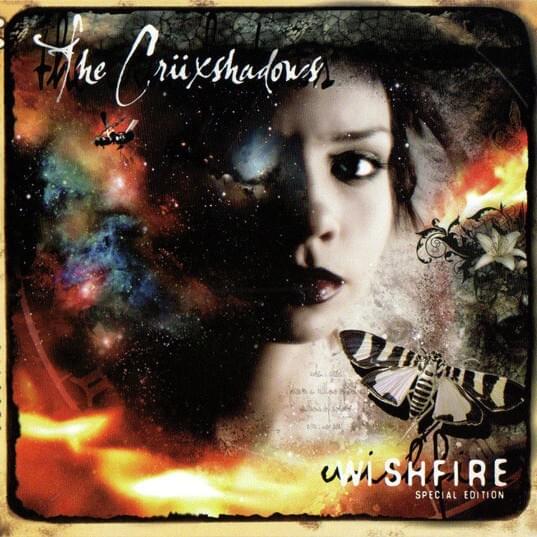
 View Artist