Song Meaning
The lyrics paint a stark picture of repeated sin and a failed attempt at repentance. The narrator directly confronts someone who has "sinned again, and spit on Christ," highlighting a cycle of asking for forgiveness only to fall back into the same patterns. This isn't a gentle plea; it's a sharp accusation, suggesting a fundamental misunderstanding of what true repentance entails. The repeated phrase "You don't know how to repent" underscores the core issue: a lack of genuine change despite outward appeals for mercy.
The central tension lies in the contrast between the desire for forgiveness and the inability or unwillingness to break free from sin. The lyrics describe this as "wearing grace thin" and a "dangerous game," implying that the person is exploiting divine mercy without internalizing its transformative power. The comparison to "the dog returns to its vomit" is a brutal, visceral image that drives home the idea of a repulsive, cyclical failure to learn from past transgressions. This isn't just a slip-up; it's presented as a fundamental character flaw, a "lack of loyalty."
The most striking craft element is the blunt, almost accusatory repetition and the use of stark, unforgiving imagery. Phrases like "spit on Christ" and the biblical allusion to the dog returning to its vomit are designed to shock the listener into recognizing the gravity of the situation. The lyrics also employ a direct, almost preachy tone, with repeated commands like "Get back to the cross" and "Stop excusing yourself for wrong." This directness, combined with the unflinching portrayal of moral weakness, creates a sense of urgency and condemnation.
Ultimately, these lyrics hit hard because they refuse to sugarcoat the struggle with sin and the nature of true repentance. They challenge the idea that asking for forgiveness is enough, insisting that it must be accompanied by a genuine, sustained effort to "turn from your sin." The raw, unvarnished language and the powerful biblical imagery create an emotionally charged message about the consequences of treating divine grace as a license to continue in wrongdoing.
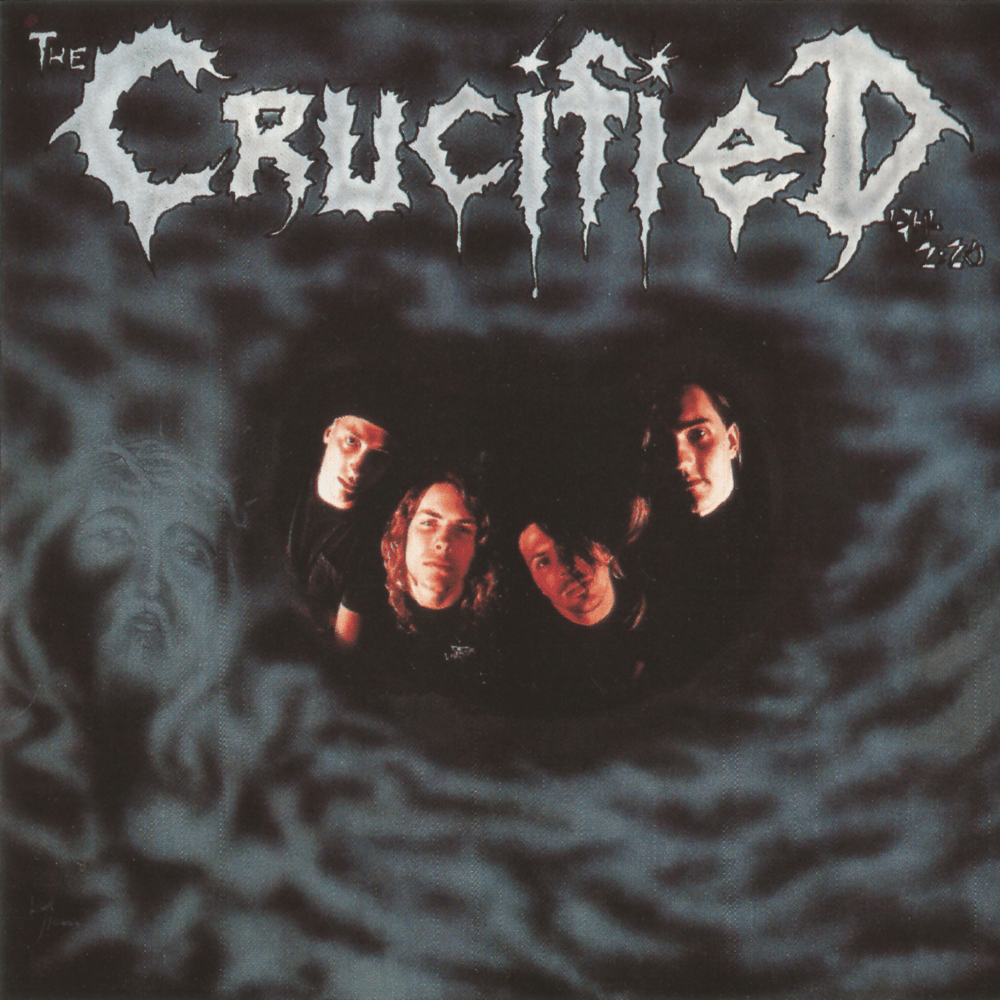
 View Artist