Song Meaning
The lyrics paint a stark picture of someone grappling with disillusionment, addressing a "friend" who seems to embody a similar struggle. The opening questions, "How do you fake a loving smile / How do you make truth of lies," immediately establish a tone of profound inauthenticity and pain. The narrator sings "again," suggesting a recurring cycle of this emotional distress, directly dedicating the song to this "old friend" who is clearly going through it too. The core of the song lies in this shared, unspoken burden.
The central tension revolves around a desperate search for escape or solace, encapsulated by the repeated plea, "Where are my pills for broken dreams." This isn't just about literal medication; it's a yearning for a quick fix for deep-seated disappointment and shattered aspirations. The desire for "furs my plastic gleam" and the command to "Please entertain the lights are on" reveal a performative aspect, a need to project an image of success or happiness even when feeling hollow inside. The "lights are on" suggests a facade, a public face maintained despite internal turmoil.
The lyrics employ a striking contrast between the mundane and the desperate. The mundane is represented by the "sun," "rain," and "love" that the narrator begs to "seduce me," seeking any form of external validation or sensation. This is juxtaposed with the intensified "Black sun," "Black rain," and "Black love," which suggest a darker, more consuming form of seduction or perhaps a perversion of genuine connection. The repetition of "seduce me" emphasizes a passive, almost helpless state, waiting to be swept away by anything, even if it's destructive.
What makes these lyrics so potent is their raw portrayal of a facade crumbling under the weight of unfulfilled dreams. The narrator isn't just sad; they're actively trying to *perform* normalcy while internally screaming for relief. The "two different names on different doors" with a "star on mine a note on yours" hints at divergent paths or perhaps a shared history of ambition that has led to vastly different, yet equally unfulfilling, outcomes. It’s this blend of performative desperation and existential weariness that makes the plea for "pills for broken dreams" resonate so powerfully.
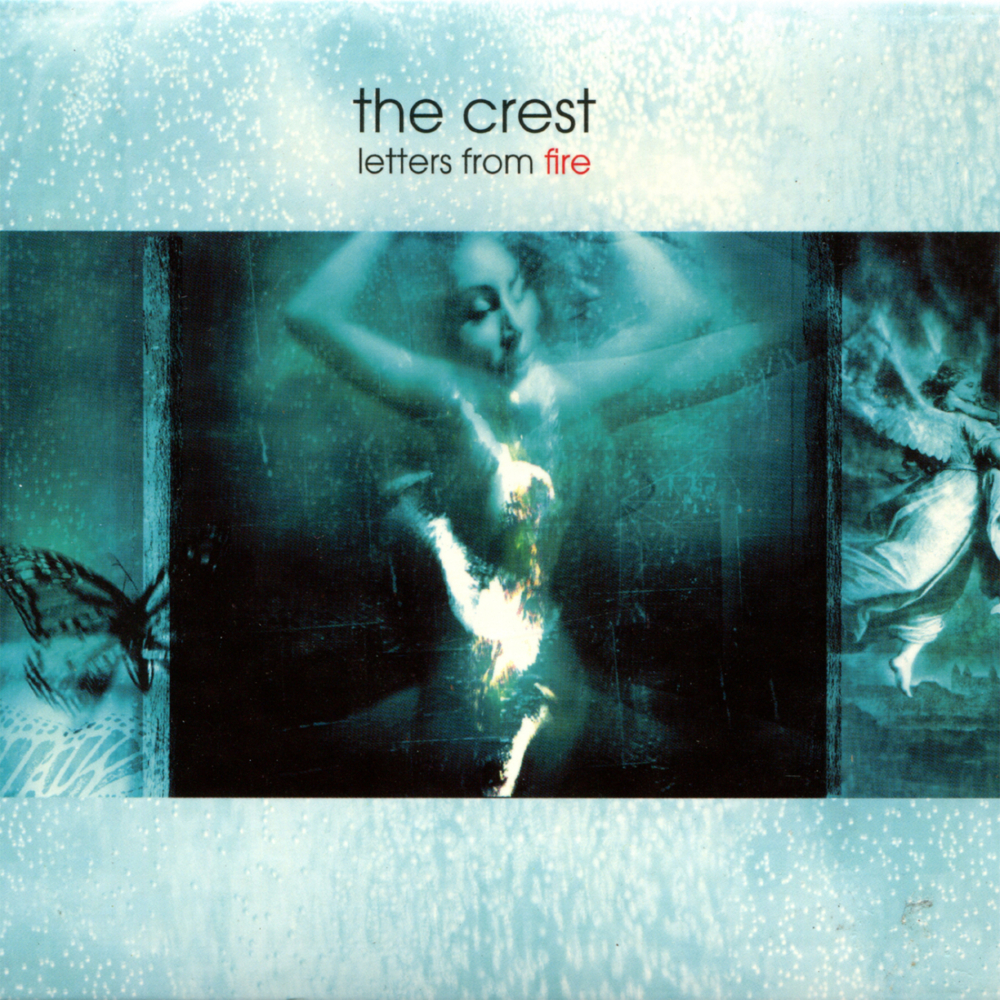
 View Artist