Song Meaning
The acoustic version of "Zombie" immediately confronts the listener with a stark, somber scene. "Another head hangs lowly," and "Child is slowly taken" paint a picture of pervasive loss and grief. The lyrics question the nature of this violence, asking "Who are we mistaken?" and "We must be mistaken," suggesting a collective delusion or a failure to grasp the reality of the situation. The dominant tone is one of weary observation and profound sadness, underscored by the unsettling quiet that "the violence caused such silence."
The central tension arises from a disavowal of direct responsibility juxtaposed with an acknowledgment of ongoing conflict. The narrator repeatedly states, "it's not me / It's not my family," distancing themselves from the immediate perpetrators. Yet, the lyrics insist that the fighting, with "tanks, and their bombs / And their bombs, and their guns," rages on "In your head, in your head." This creates a powerful contrast between perceived personal innocence and the inescapable presence of war in the collective consciousness.
The most striking lyrical device is the repeated, almost chanted invocation of "Zombie." This metaphor powerfully captures the sense of being controlled by primal, destructive urges or historical cycles, detached from true thought or feeling. The question "What's in your head, in your head / Zombie Zombie Zombie" directly probes this state of unthinking repetition. The reference to "the same old theme since 1916" anchors this cyclical violence in a historical context, implying that the "zombie" state is a long-standing, inherited condition.
This song's effectiveness lies in its raw, unflinching portrayal of inherited trauma and the disconnect between personal experience and the reality of conflict. The simple, repetitive structure of the chorus, combined with the stark imagery, hammers home the feeling of being trapped in a cycle of violence. The acoustic arrangement likely amplifies the sense of vulnerability and directness, making the plea to understand "What's in your head" feel all the more urgent and personal, even as it speaks to a broader, historical tragedy.
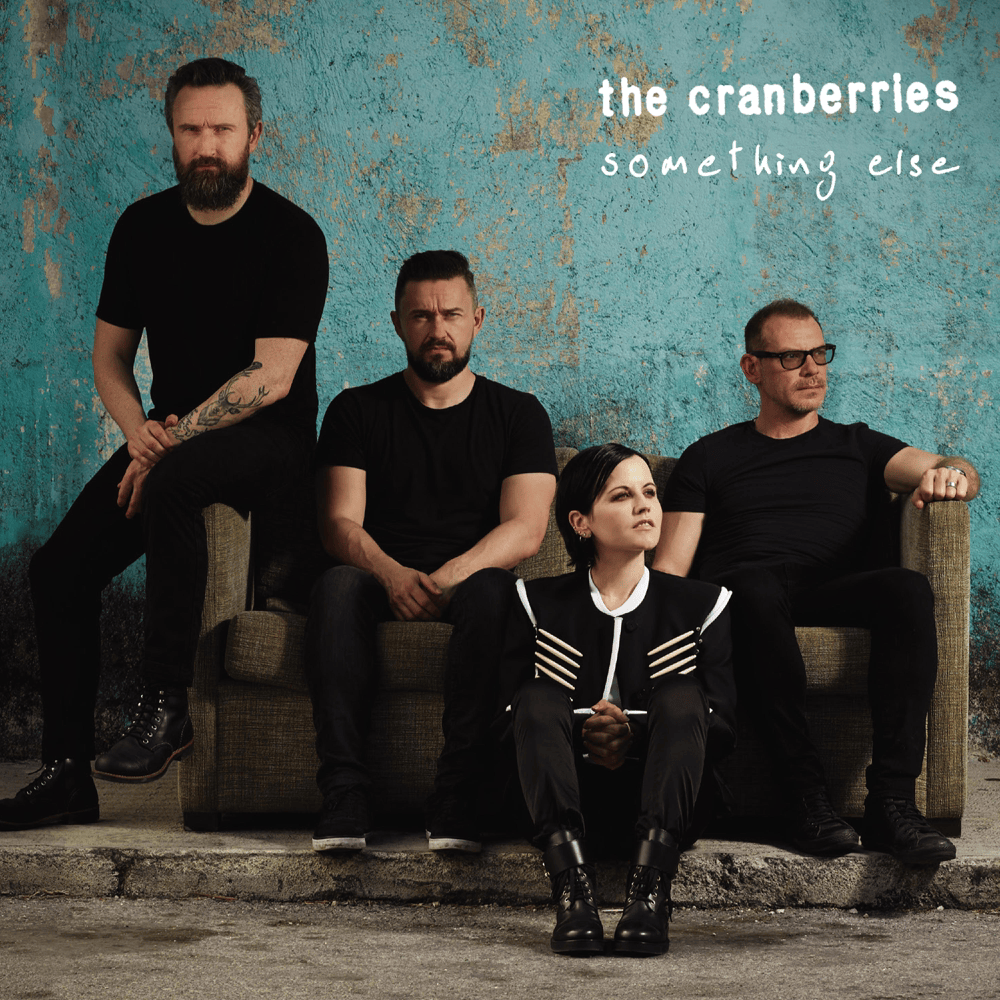
 View Artist