Song Meaning
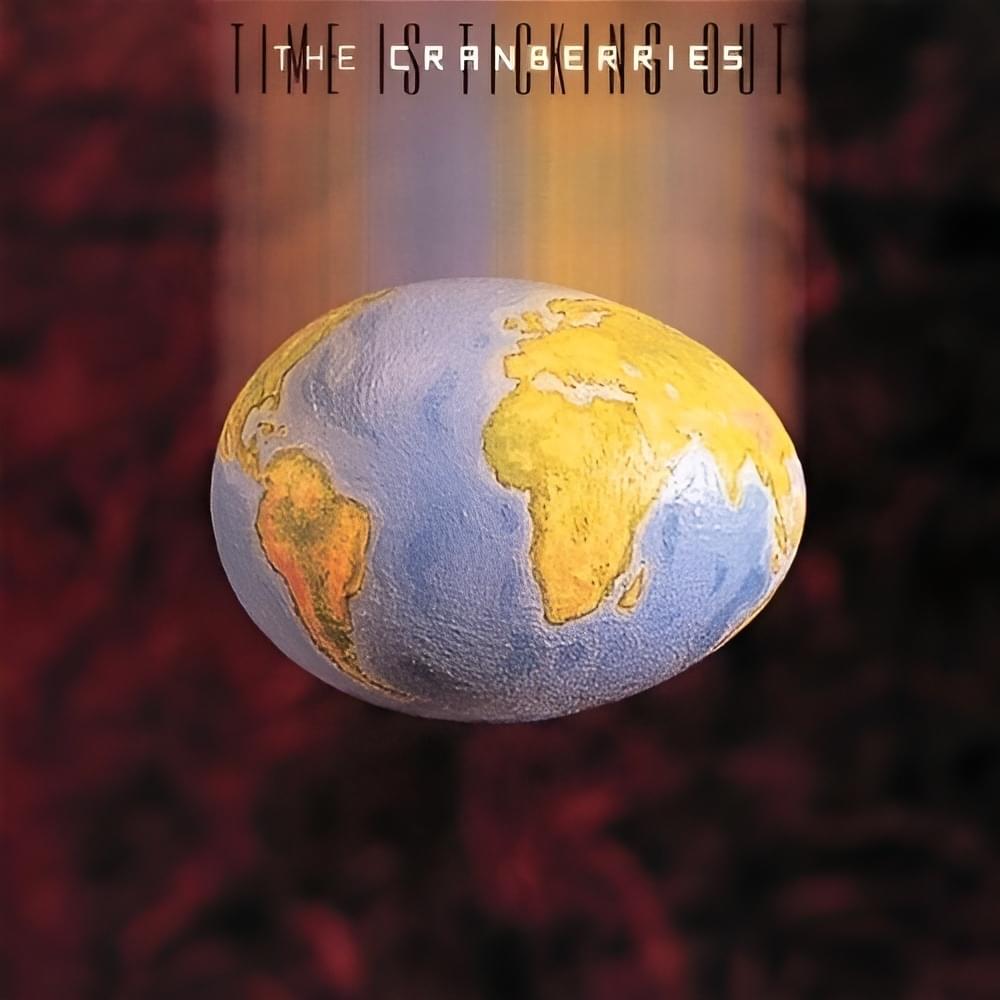
The lyrics paint a stark picture of impending doom, urging a collective pause to consider the gravity of our actions. The opening lines, "We better think about the things we say / We better think about the games we play," immediately establish a tone of urgent self-reflection. This isn't just about personal interactions; the mention of "global census" broadens the scope to societal and planetary consequences, suggesting a world spinning towards an unknown, potentially catastrophic future. The repeated phrase "around and round" hints at a cyclical, perhaps inescapable, pattern of behavior leading to this crisis.
The central tension arises from the contrast between the narrator's profound personal belief and the overwhelming uncertainty about the world's fate. While the narrator declares, "For me love is all," repeated four times with increasing insistence, this personal solace is juxtaposed against a series of alarming questions about global crises. The lyrics directly ask, "What about Chernobyl?" and "What about radiation?" followed by the resigned "We don't know, we don't know." This pattern repeats with "deprivation" and "gluttony," highlighting a disconnect between individual conviction and the larger, unaddressed problems.
The most striking craft element is the use of rhetorical questions that serve as stark reminders of past and potential future failures. The questions about Chernobyl, radiation, and the ozone layer aren't seeking answers but are instead accusatory, pointing to human negligence. The shift from "the world went round" to "the dime went down" in the second verse is a subtle but powerful change, suggesting a loss of value or a descent into a more dire state. The desperate plea, "I need the oxygen," underscores the physical and existential threat, making the abstract concept of time running out feel viscerally immediate.
Ultimately, these lyrics resonate because they capture a pervasive anxiety about the future, amplified by a sense of helplessness. The repeated affirmation of love offers a personal anchor, but it's framed by the overwhelming evidence of human-made disasters and the chilling admission of ignorance. The song effectively conveys that while individual love might be a personal salvation, it doesn't solve the collective problems that are literally making the world uninhabitable, driving home the urgent message that "Time is ticking out."
 View Artist