Song Meaning
The lyrics paint a vivid picture of youthful rebellion and a specific, cherished friendship. The narrator recalls a time at sixteen when they and a companion were the epitome of a counter-culture scene, marked by distinctive style like Doc Martens and a carefree attitude fueled by vintage cider. This shared identity felt all-encompassing, a deliberate rejection of norms that extended even to enduring harsh weather in their signature boots. The repetition of "It wasn't often, that we'd fight at all" underscores a deep, almost unbroken harmony between them during this formative period.
The core tension lies in the contrast between this idealized past and the implied present, or at least the passage of time. While the narrator asserts "What I am now's what I was then" and "I am not more acceptable than them," there's a subtle melancholy suggesting that this pure, uncompromised state is difficult to maintain. The parenthetical interjections like "We will never go" and "We will never grow" hint at a fear of change or a loss of that specific youthful defiance, even as the narrator claims continuity.
The most striking craft element is the juxtaposition of the rebellious imagery with the mundane, almost domestic detail of fighting infrequently. This repetition of "It wasn't often" becomes a mantra, emphasizing the stability and peace within their shared rebellion, a quiet strength that defined their bond. The visual of Doc Martens in both sun and snow further solidifies the idea of an unwavering commitment to their chosen aesthetic and identity, regardless of external conditions.
Ultimately, the effectiveness of these lyrics stems from their ability to evoke a potent sense of nostalgia for a specific kind of friendship and self-definition. The writing captures the feeling of being young, defiant, and utterly in sync with someone else, while simultaneously acknowledging the inevitable march of time and the subtle ways we might drift from our past selves. The simple, declarative statements about their shared past resonate because they feel earned through the specific, tactile details provided.
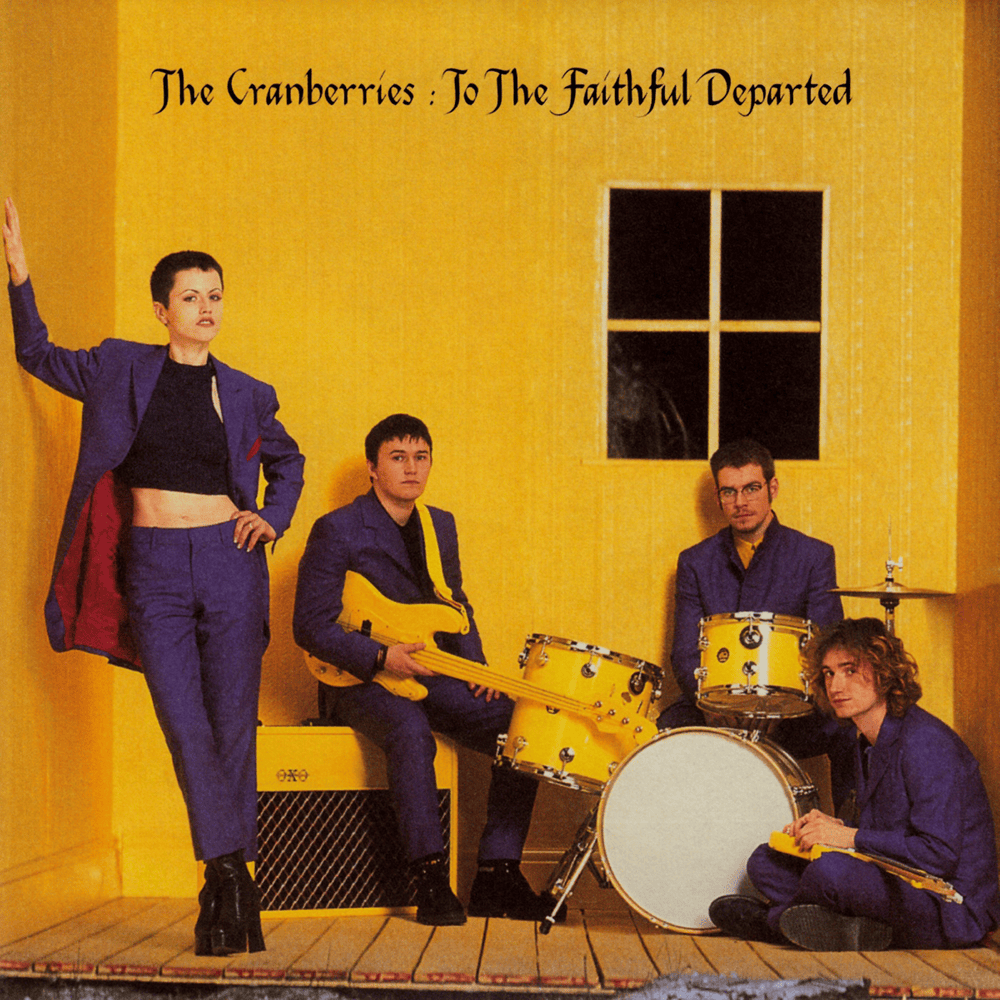
 View Artist