Song Meaning
The lyrics paint a picture of someone grappling with a life that's dramatically shifted, despite a perceived lack of personal change. There's a palpable sense of confusion and disconnection, highlighted by the repeated, almost bewildered, admission, "I don't even know your name." This phrase, uttered multiple times, underscores a profound alienation from the circumstances or people now surrounding the narrator, suggesting a loss of familiar anchors.
The central tension emerges from the contrast between the narrator's internal state and their external reality. While they claim "I haven't changed," their "life has," leading to a strange dynamic with others. The repeated, emphatic assertions about "he's good for me" and "he looks after me" feel like a desperate attempt to convince oneself, or perhaps someone else, of a positive new influence that might be masking a deeper unease or a forced situation. This fervent repetition, especially the triple "good, good, good," hints at a fragile reassurance.
A striking image is that of "All my plans and promises / Went tumbling down the hill." This vivid metaphor captures the sudden, uncontrolled collapse of the narrator's former life and aspirations. The repetition of this line, applied first to "plans" and then to "friends," amplifies the sense of widespread devastation. It suggests that not only personal ambitions but also social connections have been lost in this downward spiral, leaving the narrator adrift.
Ultimately, the effectiveness of these lyrics lies in their raw, almost childlike expression of disorientation and loss. The simple, repetitive "La, la, la, the picture I view" acts as a refrain, a detached observation of a reality that feels both observed and inescapable. It’s this disjunction – the internal claim of stasis against external chaos, the desperate affirmations, and the imagery of things falling apart – that creates a potent, unsettling emotional resonance.
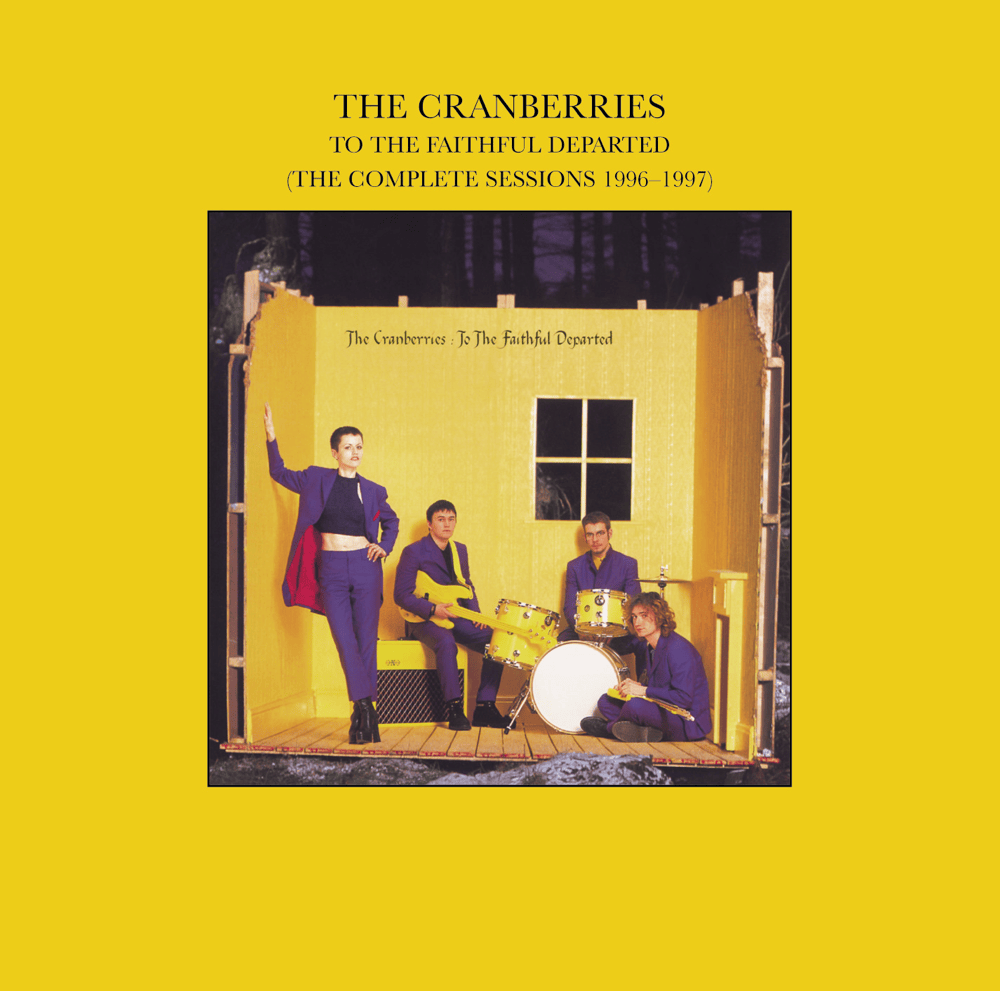
 View Artist