Song Meaning
The lyrics paint a stark picture of solitary spiritual reckoning. The central command, "You got to go to the lonesome valley," establishes a place of profound isolation and personal trial. This isn't a communal pilgrimage; it's an intensely individualistic path where no one can tread on your behalf. The repetition of "You got to go there by yourself" hammers home the inescapable nature of this personal journey. It suggests a moment of truth or judgment that must be faced alone.
The core tension lies in the absolute requirement of self-reliance for spiritual salvation. The act of seeking "the lords forgiveness" is presented as a private transaction. The line, "Nobody else can ask him for you," underscores the idea that our relationship with the divine, or perhaps with our own conscience, is ultimately a singular one. There's no delegation, no proxy for this essential act of seeking absolution or understanding.
The most striking aspect of the craft is the relentless, almost mantra-like repetition. The phrase "You got to go there by yourself" functions as both a warning and an instruction, creating a sense of inevitability. The "lonesome valley" itself becomes a powerful, albeit abstract, image of a personal crisis or a point of no return. The simplicity of the language amplifies the weight of the message, stripping away any potential for distraction or external comfort.
This lyrical construction is effective because it taps into a deep-seated human understanding of personal responsibility. The direct, unadorned pronouncements leave no room for interpretation or avoidance. It forces the listener to confront the idea that certain fundamental aspects of existence, particularly those concerning morality and spiritual peace, are solitary endeavors. The unwavering focus on individual action creates a powerful, almost somber, emotional resonance.
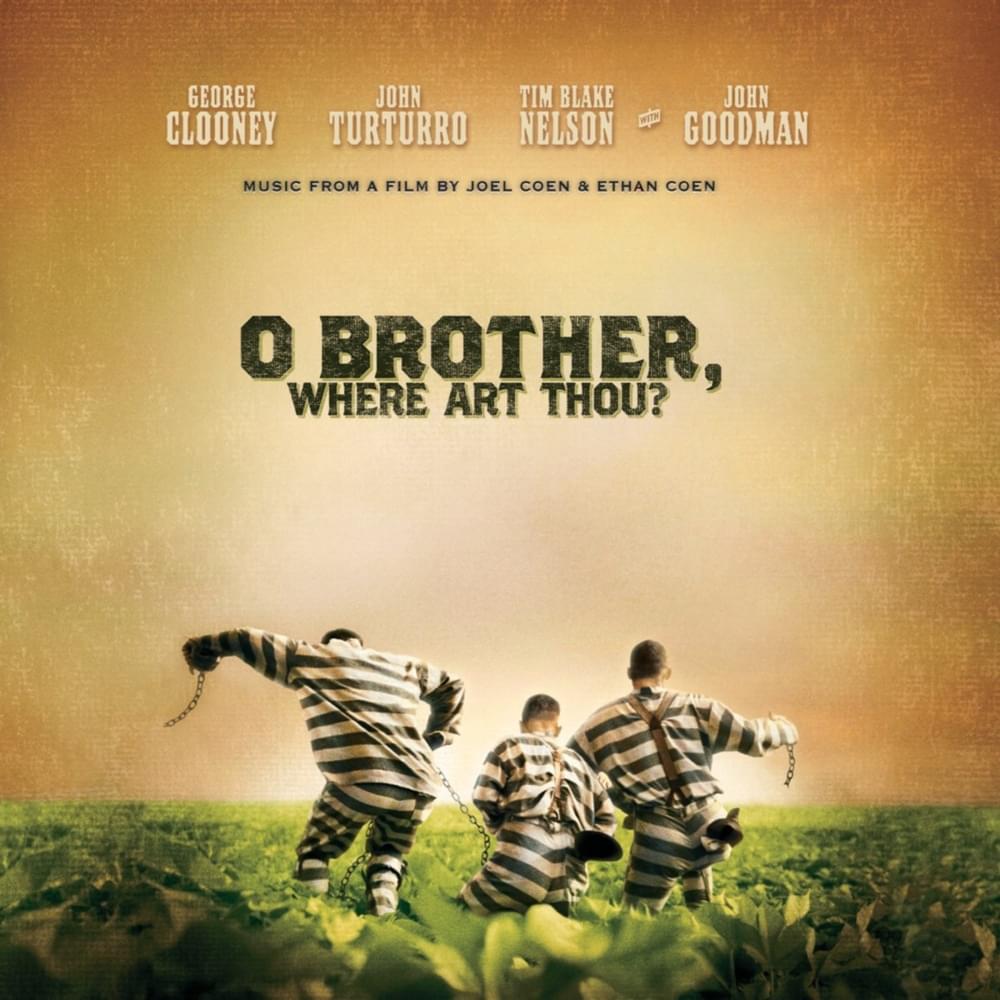
 View Artist