Song Meaning
This song paints a tragic picture of a love story undone by miscommunication and betrayal, culminating in a devastating loss. The narrative opens with a quiet, expectant moment: he waits for her to speak, she waits to tell him what she's heard. The tension builds around a whispered accusation, a rumor that he loves another and never loved her. This is the pivot point, where the fragile foundation of their relationship cracks under the weight of hearsay.
The core conflict lies in the devastating impact of external voices on an internal relationship. "They say you love another" is the poison that infects their connection. The narrator's response, "If these words be true my darling, I'll forever set you free," is a desperate, perhaps noble, but ultimately fatal offer. His confirmation, "They are true," seals their fate, not with a direct confrontation, but with a confirmation of the rumors that have already done the damage.
The lyrics employ a stark, almost fable-like structure to convey this tragedy. The repetition of "waited long" in the first two verses emphasizes the prolonged anticipation and the eventual, crushing reveal. The shift from "window" to "gate" marks a physical and emotional separation. The supernatural intervention of an "Angel" to relieve her "ache and pain" after her death feels like a narrative device to grant her peace, highlighting the unbearable nature of her suffering in life. The final verse delivers the ultimate irony: he "realized he loved her" only when he saw her "casket," a realization that arrives far too late to matter.
What makes these lyrics so potent is their unflinching portrayal of how easily love can be destroyed by insinuation and how profound regret can be. The passive "they say" becomes the active agent of destruction, highlighting the power of gossip and rumor. The narrator's delayed understanding and the woman's ultimate, albeit supernatural, escape from pain underscore the devastating finality of their broken engagement and ultimately lost connection. The story is a stark reminder that sometimes, the greatest tragedies stem not from grand betrayals, but from the quiet erosion of trust and the devastating consequences of words left unsaid or misunderstood.
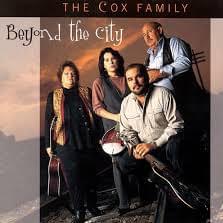
 View Artist