Song Meaning
The lyrics open with a rhetorical question, "Who can teach a songbird how to sing?" This immediately sets a tone of natural, inherent ability, questioning the very idea of external instruction for something so innate. The narrator seems to observe someone, or perhaps a memory of someone, who is trying to teach or influence this 'songbird,' wondering what their current perspective might be. The image of the songbird "flying across the sky" suggests freedom and natural expression, contrasting with the idea of being taught.
The central tension arises from the narrator's declaration, "How I love you," juxtaposed with the repeated, almost desperate, questioning of teaching the songbird. It seems the narrator is grappling with the futility of trying to shape or instruct someone who possesses a natural gift or a destined path. The lines "Gathering ye rosebuds while ye may / Tomorrow is a different rhyme" introduce a sense of urgency and the ephemeral nature of time, perhaps urging the songbird (or the person they represent) to embrace their own song before it's too late.
The most striking craft element is the persistent repetition of the opening question, "Who can teach a songbird how to sing?" This refrain underscores the core theme of innate talent versus external influence. The imagery in the chorus, "Blue patterns are glimmering, shimmering," evokes a beautiful, perhaps fleeting, sensory experience, while "Each rapidly begging for seconds / Much too hungry to even ask why" paints a picture of unthinking consumption or desire, a stark contrast to the thoughtful, natural singing of a bird. This contrast highlights a disconnect between natural beauty and a more primal, perhaps less conscious, drive.
These lyrics resonate because they tap into the universal feeling of observing someone's natural brilliance and questioning the impulse to interfere or mold it. The narrator's affection is clear, but it's tempered by an understanding that true expression cannot be taught. The song captures a bittersweet recognition of inherent gifts and the passage of time, suggesting that some things, like a songbird's song, are best left to unfold on their own to unfold.
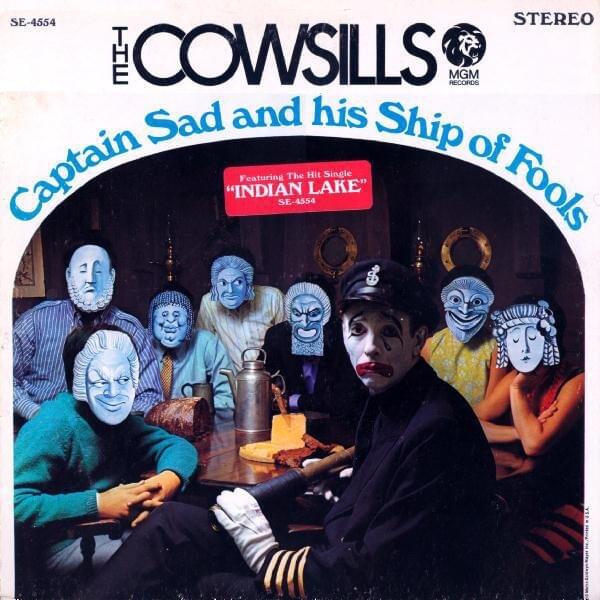
 View Artist