Song Meaning
The lyrics paint a stark contrast between two children, one explicitly known and suffering, the other a projected ideal. The first child is defined by absence: "Wanders alone," "Hungry for love," and "Lost his home." This image immediately establishes a tone of profound loneliness and need, setting the stage for the narrator's counter-vision.
The narrator's response is a fervent declaration of intent to provide what the first child lacks. The focus shifts to a future child, one who will be showered with "every lovely feeling" and will "run to me" when "lonely." This creates a central tension between the observed pain of the known child and the imagined fulfillment of a future one, suggesting a desire to actively prevent a similar fate.
A striking shift occurs with the introduction of a second "child I know," who is "Wealthy and cold" and has "Lost his soul." This isn't just about lack; it's about the corrupting influence of material abundance. The narrator's ideal child, by contrast, will have "the right touch of love" and simple comforts like "Toys and lace," implying that true well-being comes from emotional connection, not excess.
This deliberate juxtaposition highlights the narrator's deep-seated anxieties about love and belonging. The repeated assurance, "He will always remain mine," underscores a powerful, almost desperate, need for control and certainty in relationships, a direct response to the perceived failures and losses in the lives of the children known. The final, abrupt image of a child "Living inside" who "He'll rule the world" leaves a lingering, ambiguous note about the ultimate outcome of these desires.
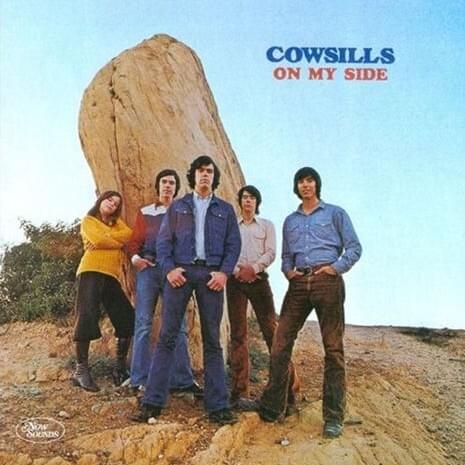
 View Artist