Song Meaning
The lyrics paint a stark portrait of a lonely, impoverished old man, observed by a narrator who feels a mix of pity and detachment. The repeated refrain, "Sad old man nobody loves him," immediately establishes a tone of profound isolation and neglect. We see him "sleeping in the dew" and begging "by the square," his only possessions a "broken down park bench" and a "newspaper blanket." This imagery grounds the abstract concept of sadness in tangible, bleak details, emphasizing his destitution.
The central tension lies in the narrator's internal conflict and passive observation. The narrator acknowledges the man's plight, wondering "how he managed to get by" and admitting, "I would have told him someone cared." Yet, this empathy is stifled by the narrator's own presence in the indifferent crowd and the man's blindness, which paradoxically prevents him from seeing the narrator's potential kindness. This creates a poignant disconnect, highlighting missed opportunities for connection and the isolating nature of both poverty and perceived indifference.
The most striking craft element is the recurring image of the "newspaper blanket." It functions as a powerful, fragile symbol of the man's existence – offering minimal warmth against the "cold winter's day" while simultaneously representing the transient, discarded nature of his life. The lyrics also use direct address in the final stanza, "Sad old man how long will you be here," shifting from observation to a more direct, albeit still unanswered, plea. This question underscores the fragility of his situation and the potential void his absence would leave, not for human connection, but for the very objects that define his meager existence.
Ultimately, the effectiveness of these lyrics stems from their unvarnished depiction of vulnerability and the quiet tragedy of being unseen and unloved. The simple, repetitive structure and direct language amplify the emotional weight, making the old man's circumstances feel both specific and universally resonant without explicitly stating it. The focus remains on the tangible signs of his suffering and the narrator's hesitant, almost helpless, witnessing of it, creating a lingering sense of melancholy.
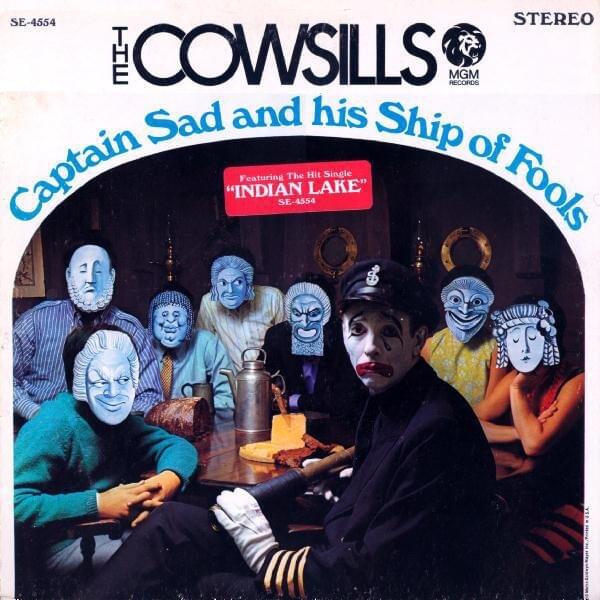
 View Artist