Song Meaning
The lyrics paint a picture of summer's end, a time of transition marked by the departure from familiar scenes like the "schoolhouse on the hill" and the "clang of banging lockers." These concrete images ground the listener in a specific, relatable experience of leaving behind the routines and sounds of academic life. The initial verses establish a sense of nostalgia for these shared, everyday moments, setting a baseline for what is being left behind.
The central tension arises from the stark contrast between these tangible memories and the overwhelming emotional void left by a specific person. While the narrator acknowledges missing a variety of experiences – from late-night phone calls to parties and friendships – the chorus repeatedly hammers home that the absence of this one individual eclipses all else. This isn't just a casual farewell; it's a profound sense of loss that redefines the significance of everything else.
The most striking aspect is the deliberate juxtaposition of the universal experience of summer ending with the intensely personal ache of missing someone. The bridge, with its specific, evocative memories like "snowflakes in your hair" and a "prom," highlights cherished past moments. Yet, these are framed against the backdrop of the present "summer's everywhere," underscoring how the season of freedom and fun is overshadowed by this singular longing. The repetition of "I miss you, I miss you" builds an almost desperate plea.
What makes these lyrics so effective is their directness and the way they elevate a common sentiment to an art form. By listing concrete, relatable details of a shared past and then immediately pivoting to the overwhelming feeling of missing one person, the song captures the essence of how one relationship can become the focal point of our entire world. The final chorus, promising a reunion in "next September," offers a glimmer of hope, but the immediate, raw declaration of missing them "most of all" resonates with a powerful, unvarnished truth about love and absence.
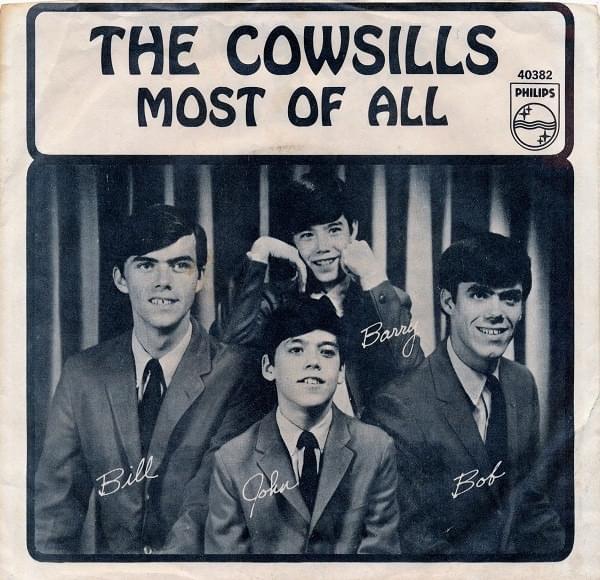
 View Artist