Song Meaning
This ballad paints a picture of pastoral devotion, opening with a scene set in the "bonnie" braes of Maxwellton, where the narrator received a "promise true" from Annie Laurie. The immediate emotional tone is one of deep, almost sacred, commitment, underscored by the repeated vow, "And for bonnie Annie Laurie / I lay me doon and dee." This isn't just affection; it's a declaration of ultimate sacrifice.
The core tension lies in the narrator's absolute adoration versus the implied distance or unattainable nature of Annie Laurie. Her beauty is described with almost divine comparisons: a brow like a "snowdrift," a throat like a swan, and the fairest face the sun has ever shone on. These elevated descriptions, coupled with the narrator's willingness to "dee" (die) for her, suggest a love that borders on worship, perhaps unrequited or facing insurmountable obstacles.
The song's power hinges on its stark, almost brutal, simplicity and the relentless repetition of its central pledge. The imagery, while conventional for its time, is striking in its purity – snowdrift, swan, dew on a flower. Yet, these delicate comparisons are juxtaposed with the stark finality of the narrator's willingness to die. This contrast between ethereal beauty and mortal finality creates a profound sense of tragic romance.
Ultimately, the lyrics resonate because they distill a powerful, all-consuming love into a few potent images and a single, unwavering commitment. The narrator's willingness to lay down his life for Annie Laurie, presented so directly and without embellishment, makes the emotional weight of his devotion palpable. It’s a raw expression of love so intense it transcends life itself.
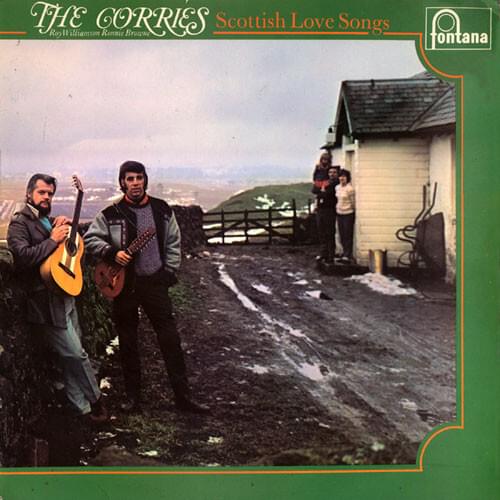
 View Artist