Song Meaning
The lyrics paint a stark picture of urban life, juxtaposing the mundane with the tragic. "Twenty-four hour bars, noisy passing cars" sets a scene of constant, impersonal activity, while "broken hearts" and "bodies chalked" introduce a darker, more somber reality. The city is presented as a place where disparate lives intersect, from the "homeless and wealthy" sharing the same "streets." The imagery of chalk outlines being "washed away" suggests a fleeting acknowledgment of tragedy, a temporary mark on the landscape that ultimately fades, paving the way for "another day."
The central tension lies in the narrator's perception versus the perceived perception of others. The repeated refrain, "What I see is a city full of people looking / Back at me; wonder if they'll see what I see," highlights a desire for shared understanding and perhaps a sense of alienation. The narrator seems to perceive a deeper, more painful truth about the city and its inhabitants, a truth they question whether others can or will recognize. This creates a feeling of isolation, as if the narrator is bearing witness to something profound that remains invisible to the crowd.
The most striking aspect of the craft is the contrast between the grand, almost romanticized "Street lights [...] swelled with stars" and the grim reality of "broken hearts" and "bodies chalked." This juxtaposition elevates the mundane observations of city life into something more profound and unsettling. The idea that the "outline is washed away / To guide us to another day" is particularly potent, suggesting that the city's progress or continued existence is built upon the erasure of its most vulnerable moments and individuals. The repetition of "What I see" emphasizes the narrator's subjective experience and their struggle to connect that vision with the world around them.
This lyrical approach is effective because it grounds abstract feelings of alienation and existential observation in concrete, evocative imagery. The narrator isn't just feeling alone; they are observing specific details – the fading chalk, the indifferent crowds – that amplify that feeling. The ambiguity of whether others will "see what I see" or simply "see me" leaves the listener contemplating their own place within the urban landscape and the potential for shared, or unshared, perception.
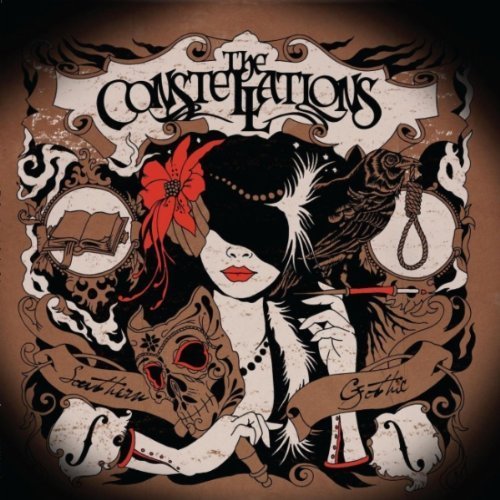
 View Artist