Song Meaning
The narrator feels trapped in a state of stagnant regret, haunted by a past relationship. The opening lines paint a picture of inertia: "Some fires never seem to burn," and "Some lessons I guess I never learned." This isn't just passive waiting; it's an active, weary existence, "Killing time until Jesus makes the call," suggesting a deep despair and a longing for an end. The dominant tone is one of profound coldness and aging, both literal and metaphorical.
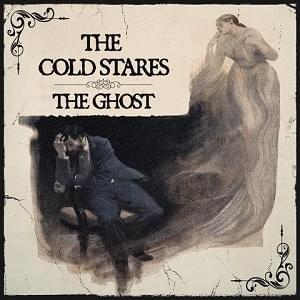
The central conflict is the lingering impact of a past lover, described as a thief of the narrator's very essence. "That woman she stole my soul" is a powerful accusation, implying a complete emotional and spiritual depletion. The consequence is not immediate oblivion but a perpetual state of being haunted, "left me to live with The Ghost." This ghost isn't necessarily a spectral presence but the persistent, debilitating memory and emotional residue of the relationship.
The lyrics masterfully employ repetition to underscore this inescapable reality. The repeated chorus, especially the final line, "She left me to live with The Ghost," hammers home the narrator's current condition. The contrast between the past theft of the soul and the present state of living with the ghost highlights the ongoing, unresolved nature of the pain. The imagery of coldness and growing old further emphasizes the sense of decay and lack of vitality.
This song hits hard because it articulates a specific kind of desolation: the feeling of being hollowed out and left to contend with the echoes of what was lost. The narrator’s resigned acceptance, coupled with the visceral imagery of being left with a ghost, creates a potent sense of enduring sorrow. It’s the quiet horror of realizing that some losses don't just end, they transform into a permanent, chilling companion.
 View Artist