Song Meaning
The narrator finds themselves utterly alone and devastated as the clock strikes midnight, a time that amplifies their sorrow. The core of their pain stems from a sudden and unexpected departure, leaving them in a state of profound unhappiness. This isn't just a breakup; it's an existential crisis marked by the absence of love.
The lyrics paint a picture of total devastation, where the loss of a relationship has stripped the narrator of everything. They explicitly state they gave their "loving, everything I owned," making the departure feel like a theft of their entire world. The shock is palpable, as the narrator struggles to comprehend how someone they invested so much in could simply vanish, leaving them "without a love."
The bridge reveals the cascading consequences of this abandonment. It's not just emotional; financial hardship and the loss of friendship are directly linked to this failed romance. The phrase "you know, it's a sin" elevates the betrayal beyond personal hurt to a moral failing on the part of the departed lover. The narrator's desperation is clear: they'd "follow you most anywhere," highlighting a willingness to endure anything to regain what was lost.
What makes these lyrics hit so hard is their raw, unvarnished expression of despair. The repetition of "without a love" acts as a constant, aching reminder of the void. The simple, direct language cuts through any pretense, forcing the listener to confront the stark reality of utter desolation. The narrator's plea, "Please believe me, you know I care," underscores the one-sided nature of the current situation, amplifying the tragedy of their solitary state.
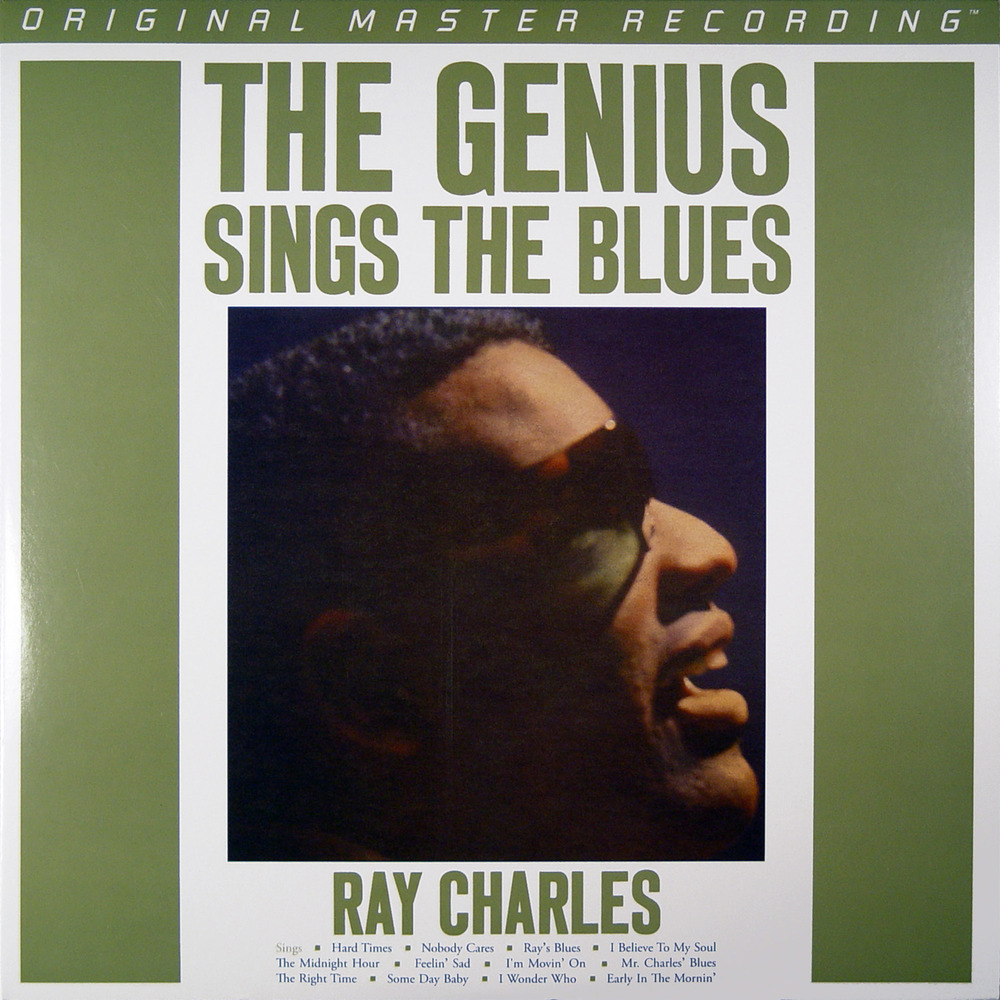
 View Artist