Song Meaning
This isn't about a gentle awakening; it's a full-blown, almost violent seduction. The narrator initially expects something bitter, a "sour" taste, but instead, they're flooded with "nectar" that ignites a powerful craving. This isn't just pleasure; it's an all-consuming fire that leaves them "aching with it, swollen with it, bursting with it." The desire is so intense it overrides any instinct for self-preservation or independence.
The core tension lies in the narrator's surrender. They explicitly reject freedom and struggle, stating, "I don't want to fight, I don't want to be free." Instead, they crave an overwhelming, almost destructive experience, wishing for "the sun burst over me." This isn't a passive waiting; it's an active invitation for something to "get inside me and do what you do," a plea for a "knife to cut my apathy" and "bring my senses to life."
The most striking craft element is the juxtaposition of violent imagery with ecstatic release. The narrator offers a "knife to cut my apathy" and wants the other to "get inside me," yet the ultimate goal is a blissful, sun-drenched oblivion. The repetition of "I don't want to fight, I don't want to be free" hammers home the depth of this surrender, making the final "Now I close my eyes" feel like the ultimate act of letting go, a willing descent into the overwhelming sensation.
What makes these lyrics resonate is the raw, unvarnished portrayal of overwhelming desire. It captures that moment when a powerful experience – be it love, addiction, or artistic inspiration – becomes so potent that the only response is complete capitulation. The writing doesn't shy away from the intensity, making the narrator's yearning for oblivion feel both terrifying and deeply compelling.
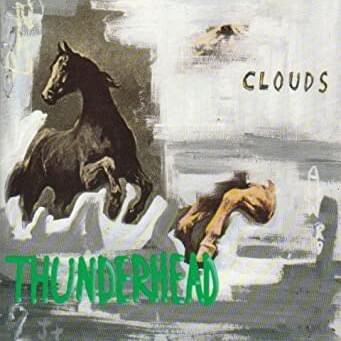
 View Artist